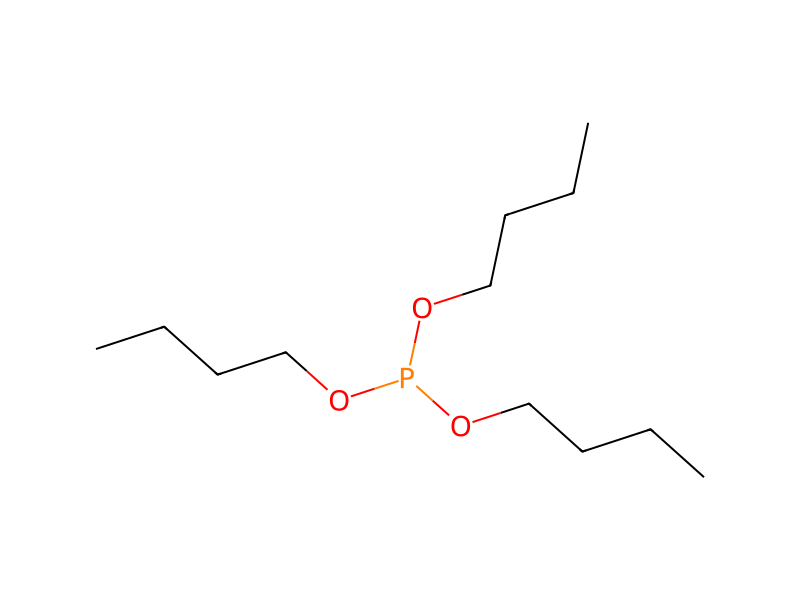
Tributyl phosphite → Dibutyl 4-benzyloxybenzylphosphonate
Reaction equation

[CH2:1]([O:8][C:9]1[CH:16]=[CH:15][C:12]([CH2:13]Cl)=[CH:11][CH:10]=1)[C:2]1[CH:7]=[CH:6][CH:5]=[CH:4][CH:3]=1.[CH2:17]([O:21][P:22]([O:28]CCCC)[O:23][CH2:24][CH2:25][CH2:26][CH3:27])[CH2:18][CH2:19][CH3:20]>>[CH2:1]([O:8][C:9]1[CH:16]=[CH:15][C:12]([CH2:13][P:22](=[O:28])([O:23][CH2:24][CH2:25][CH2:26][CH3:27])[O:21][CH2:17][CH2:18][CH2:19][CH3:20])=[CH:11][CH:10]=1)[C:2]1[CH:7]=[CH:6][CH:5]=[CH:4][CH:3]=1Participants
3


Conditions
- Temperature
- 50 °C
Procedure
A mixture of 4-benzyloxybenzyl chloride (4.99 g) and tri-n-butylphosphite is heated at 50° C. for about 4 hours while removing butyl chloride. The mixture is cooled to room temperature and the crude product purified by HPLC on silica, eluting with 25% ethyl acetate in hexane, to give dibutyl 4-benzyloxybenzylphosphonate.
Workup
- customwhile removing butyl chloride
- temperatureThe mixture is cooled to room temperature
- customthe crude product purified by HPLC on silica
- washeluting with 25% ethyl acetate in hexane
Sources & evidence
- ORD record
- ord-b7147a46d7644a8d9099f48843f6d485
- Source dataset
- uspto-grants-1997_10
- Patent number
- US05674482
Reaction notes
Loading…