Hydrochloric Acid → 6-fluoro-7-(4-oxo-4H-pyridin-1-yl)-1,4-dihydroquinoxaline-2,3-dione
Reaction equation

[F:1][C:2]1[C:7]([N:8]2[CH:13]=[CH:12][C:11](=[O:14])[CH:10]=[CH:9]2)=[CH:6][C:5]([NH2:15])=[C:4]([NH2:16])[CH:3]=1.[C:17](O)(=[O:21])[C:18](O)=[O:19].Cl>>[F:1][C:2]1[CH:3]=[C:4]2[C:5](=[CH:6][C:7]=1[N:8]1[CH:13]=[CH:12][C:11](=[O:14])[CH:10]=[CH:9]1)[NH:15][C:18](=[O:19])[C:17](=[O:21])[NH:16]2Participants
4



Procedure
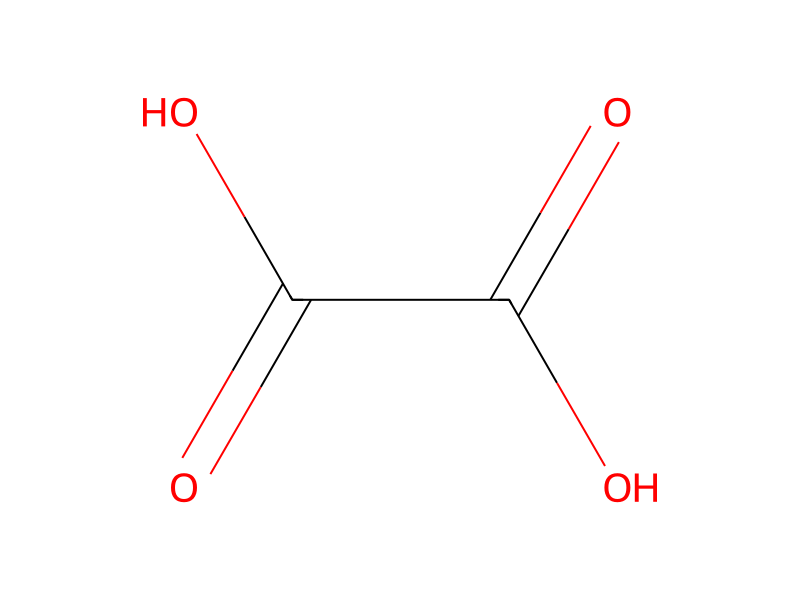
First, 4.266 g of 4-fluoro-5-(4-oxo-4H-pyridin-1-yl)-1,2-phenylenediamine, and 1.927 g of oxalic acid were added to 48 ml of 4N hydrochloric acid. The mixture was refluxed by heating for 2.5 hours. After the reaction, precipitated crystals were filtered, washed with water, and dried to give 3.920 g of 6-fluoro-7-(4-oxo-4H-pyridin-1-yl)-1,4-dihydroquinoxaline-2,3-dione.
Workup
- temperatureThe mixture was refluxed
- temperatureby heating for 2.5 hours
- customAfter the reaction
- customprecipitated crystals
- filtrationwere filtered
- washwashed with water
- customdried
Sources & evidence
- ORD record
- ord-66e8effa2d1948cdb867e148a3a4f9f6
- Source dataset
- uspto-grants-1997_10
- Patent number
- US05677305
Reaction notes
Loading…