Hydrochloric Acid → HCID 22903587, compound
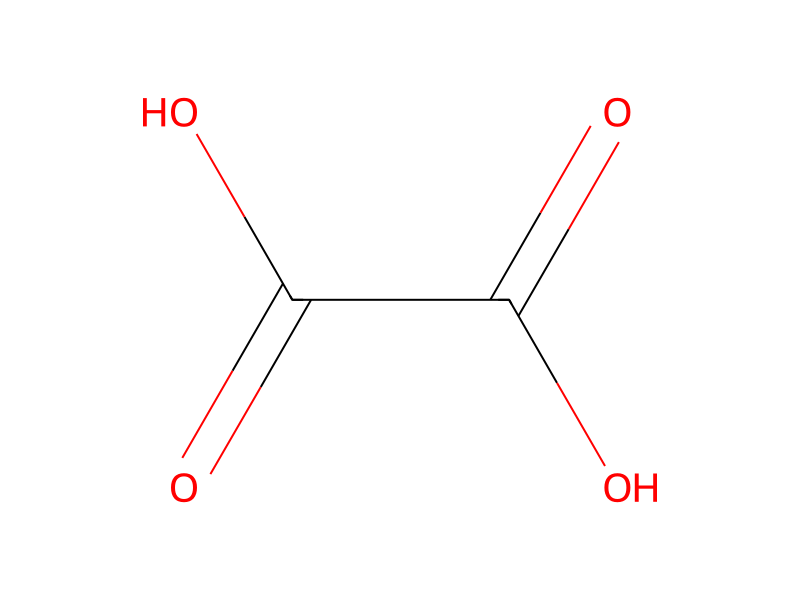
Reaction equation

[C:1]([C:3]1[C:8]([N:9]2[CH:14]=[CH:13][C:12](=[O:15])[CH:11]=[CH:10]2)=[CH:7][C:6]([NH2:16])=[C:5]([NH2:17])[CH:4]=1)#[N:2].[C:18](O)(=[O:22])[C:19](O)=[O:20].Cl>>[C:1]([C:3]1[CH:4]=[C:5]2[C:6](=[CH:7][C:8]=1[N:9]1[CH:14]=[CH:13][C:12](=[O:15])[CH:11]=[CH:10]1)[NH:16][C:19](=[O:20])[C:18](=[O:22])[NH:17]2)#[N:2]Participants
4



Procedure
First, a mixture containing 246 mg of 4-cyano-5-(4-oxo-4H-pyridin-1-yl)-1,2-phenylenediamine, 294 mg of oxalic acid, and 5 ml of 2N hydrochloric acid was refluxed by heating in an oil bath for 2 hours. The mixture was cooled and precipitated crystals were filtered. Then, 284 g of the crude crystals thus obtained were further recrystallized with 2N hydrochloric acid to give 201 mg of 6-cyano-7-(4-oxo-4H-pyridin-1-yl)-1,4-dihydroquinoxaline-2,3-dione.
Workup
- temperaturewas refluxed
- temperatureby heating in an oil bath for 2 hours
- temperatureThe mixture was cooled
- customprecipitated crystals
- filtrationwere filtered
- customThen, 284 g of the crude crystals thus obtained
- customwere further recrystallized with 2N hydrochloric acid
Sources & evidence
- ORD record
- ord-812da81cb00e4dfbb3f88b9ec1957aa1
- Source dataset
- uspto-grants-1997_10
- Patent number
- US05677305
Reaction notes
Loading…