Ammonia → HCID 22903576, compound
Reaction equation

[CH3:1][N:2]([CH3:21])[S:3]([C:6]1[C:11]([N:12]2[CH:17]=[CH:16][C:15](=[O:18])[CH:14]=[CH:13]2)=[CH:10][C:9]([NH2:19])=[C:8]([NH2:20])[CH:7]=1)(=[O:5])=[O:4].[C:22](O)(=[O:26])[C:23](O)=[O:24].N>Cl>[CH3:1][N:2]([CH3:21])[S:3]([C:6]1[CH:7]=[C:8]2[C:9](=[CH:10][C:11]=1[N:12]1[CH:13]=[CH:14][C:15](=[O:18])[CH:16]=[CH:17]1)[NH:19][C:23](=[O:24])[C:22](=[O:26])[NH:20]2)(=[O:5])=[O:4]Participants
5
Reactant 3

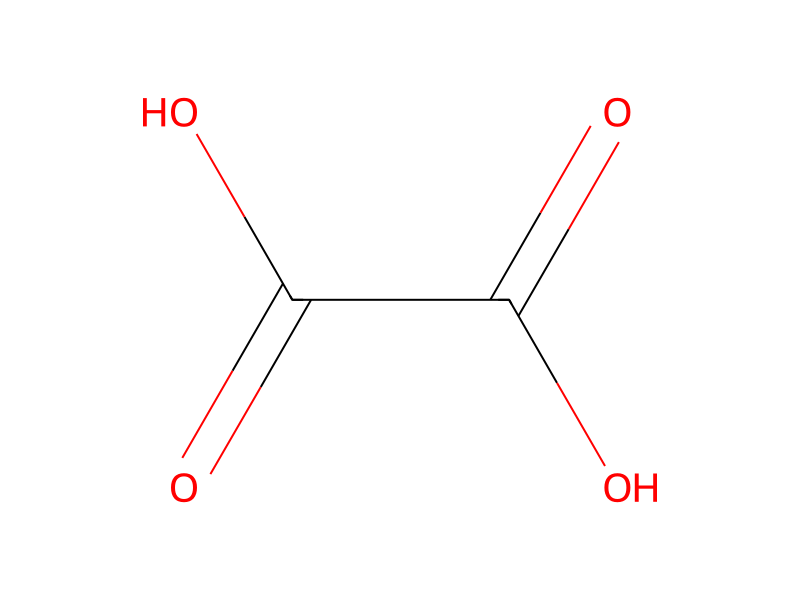

Product 1

Reagents, catalysts & solvents 1

Procedure
First, a mixture containing 500 mg of 4-dimethylsulfamoyl-5-(4-oxo-4H-pyridin-1-yl)-1,2-phenylenediamine, 438 mg of oxalic acid, and 10 ml of 2N hydrochloric acid was refluxed by heating in an oil bath for 3 hours. The mixture was cooled and made basic with aqueous ammonia. Precipitated crystals were filtered. Then, 534 mg of the crude crystals thus obtained were further recrystallized with dimethylformaldehyde and water to give 201 mg of 6-dimethylsulfamoyl-7-(4-oxo-4H-pyridin-1-yl)-1,4-dihydroquinoxaline-2,3-dione.
Workup
- temperaturewas refluxed
- temperatureby heating in an oil bath for 3 hours
- temperatureThe mixture was cooled
- customPrecipitated crystals
- filtrationwere filtered
- customThen, 534 mg of the crude crystals thus obtained
- customwere further recrystallized with dimethylformaldehyde and water
Sources & evidence
- ORD record
- ord-a8eea7f7fac3407dbe42a0dffa1d776e
- Source dataset
- uspto-grants-1997_10
- Patent number
- US05677305
Reaction notes
Loading…