Acetic Acid → 4-(4-Benzylpiperazinyl)1-phenylcyclohexanecarbonitrile
Reaction equation

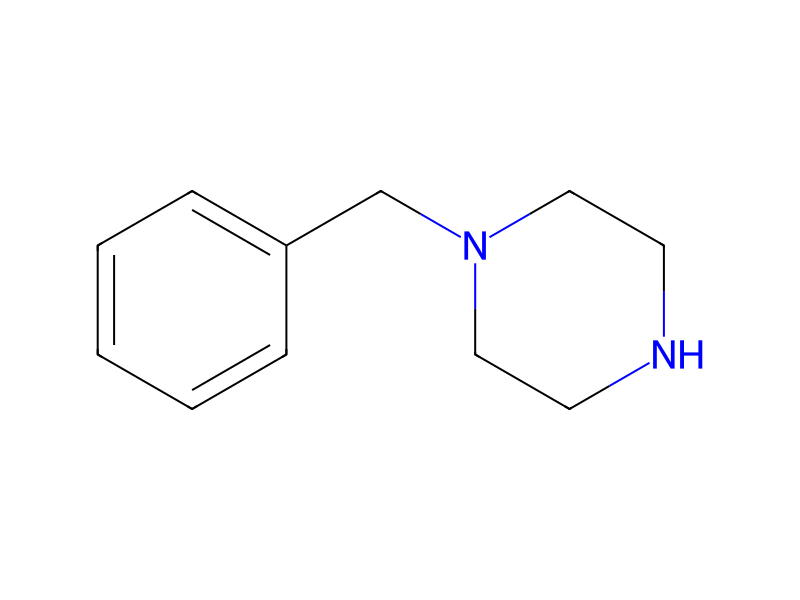
[C:1]([C:3]1([C:10]2[CH:15]=[CH:14][CH:13]=[CH:12][CH:11]=2)[CH2:8][CH2:7][C:6](=O)[CH2:5][CH2:4]1)#[N:2].[CH2:16]([N:23]1[CH2:28][CH2:27][NH:26][CH2:25][CH2:24]1)[C:17]1[CH:22]=[CH:21][CH:20]=[CH:19][CH:18]=1.C(O)(=O)C.C([BH3-])#N.[Na+]>C(O)C.O>[CH2:16]([N:23]1[CH2:28][CH2:27][N:26]([CH:6]2[CH2:7][CH2:8][C:3]([C:10]3[CH:15]=[CH:14][CH:13]=[CH:12][CH:11]=3)([C:1]#[N:2])[CH2:4][CH2:5]2)[CH2:25][CH2:24]1)[C:17]1[CH:18]=[CH:19][CH:20]=[CH:21][CH:22]=1Participants
7






Procedure
35.0 g of 4-cyano-4-phenylcyclohexanone (0.176 mol), (prepared as disclosed in J. Amer. Chem. Soc. 74, (1972) 773) were dissolved with 31 g of 1-benzylpiperazine (0.176 mol) and 21 g of acetic acid in 200 ml of ethanol and, at room temperature, a solution of 12.5 g of sodium cyanoborohydride (0.19 mol) was slowly added dropwise. The mixture was stirred overnight, and then water was added and the mixture was extracted with dichloromethane. Drying and removal of the solvent by distillation resulted in a residue of 46.6 g (76%) of oil.
Workup
- extractionthe mixture was extracted with dichloromethane
- customDrying
- customremoval of the solvent
- distillationby distillation
Sources & evidence
- ORD record
- ord-f94a41dfadc847309d18fd2a95250074
- Source dataset
- uspto-grants-1994_12
- Patent number
- US05371088
Reaction notes
Loading…