Hydrochloric Acid → HCID 178498105, compound
Reaction equation

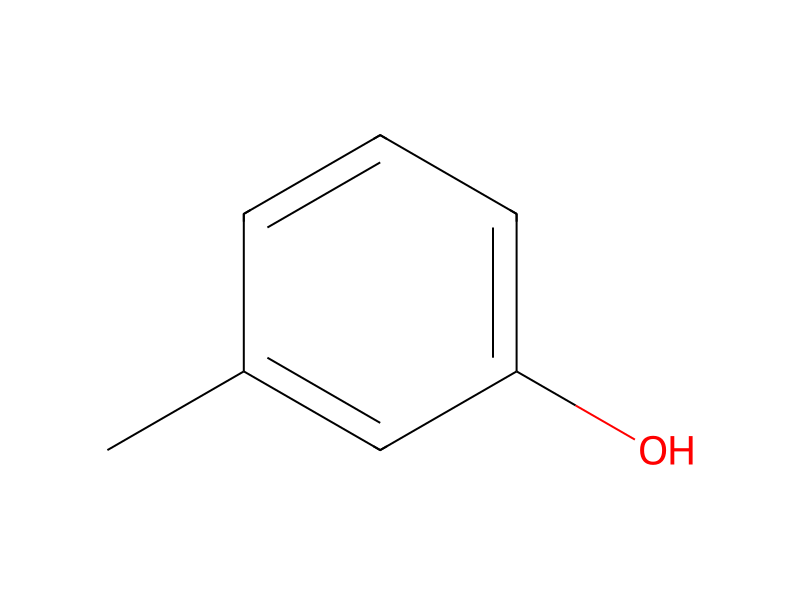
[NH2:1][C:2]1[CH:7]=[C:6]([C:8]([O:10][CH3:11])=[O:9])[CH:5]=[CH:4][C:3]=1[N:12]1[CH2:17][CH2:16][O:15][CH2:14][CH2:13]1.C[N:19](C)[C:20]#[N:21].C1C(O)=CC=CC=1C.Cl>>[CH3:11][O:10][C:8]([C:6]1[CH:5]=[CH:4][C:3]([N:12]2[CH2:13][CH2:14][O:15][CH2:16][CH2:17]2)=[C:2]([NH:1][C:20]([NH2:21])=[NH:19])[CH:7]=1)=[O:9]Participants
5



Procedure
A mixture of 4-(2-amino-4-methoxycarbonylphenyl)morpholine (2.7 g), N,N-dimethyl cyanamide (1 g) and m-cresol (15 ml) was heated at 90°-95° C. for 10 hours. Ice was added and the reaction mixture acidified to pH 4 by the addition of 2N hydrochloric acid and the resultant mixture extracted with ether. The aqueous layer was cooled, basified to pH 8 by the addition of solid sodium bicarbonate and then extracted with dichloromethane. The extract was dried and the solvent removed to yield an oily residue which was purified by chromatography on a neutral alumina column eluted with a 1:99 mixture of methanol and dichloromethane to give 1,1-dimethyl-2-(5-methoxycarbonyl-2-morpholinophenylguanidine (m.p. 152°-154° C.).
Workup
- temperaturewas heated at 90°-95° C. for 10 hours
- additionIce was added
- extractionthe resultant mixture extracted with ether
- temperatureThe aqueous layer was cooled
- additionbasified to pH 8 by the addition of solid sodium bicarbonate
- extractionextracted with dichloromethane
- customThe extract was dried
- customthe solvent removed
- customto yield an oily residue which
- customwas purified by chromatography on a neutral alumina column
- washeluted with a 1:99 mixture of methanol and dichloromethane
Sources & evidence
- ORD record
- ord-dab18bf50b0641bbad5eb4ae0ad0d76a
- Source dataset
- uspto-grants-1994_12
- Patent number
- US05373008
Reaction notes
Loading…