Hydrogen Bromide → 4-Chloro-2,3-dihydro-1H-isoindole
Reaction equation

C1(C)C=CC(S([N:10]2[CH2:18][C:17]3[C:12](=[CH:13][CH:14]=[CH:15][C:16]=3[Cl:19])[CH2:11]2)(=O)=O)=CC=1.C1(O)C=CC=CC=1.Br>C(O)(=O)CC>[Cl:19][C:16]1[CH:15]=[CH:14][CH:13]=[C:12]2[C:17]=1[CH2:18][NH:10][CH2:11]2Participants
5
Reactant 3



Product 1

Reagents, catalysts & solvents 1
Procedure
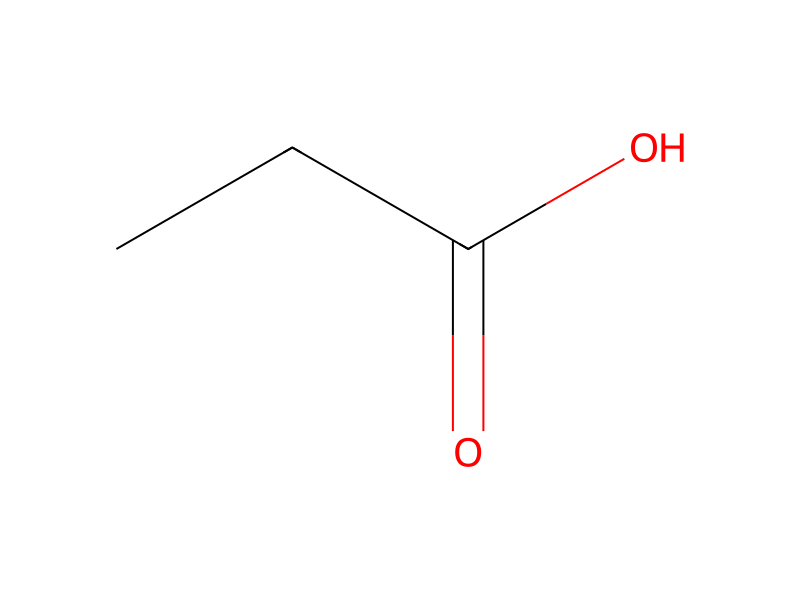
1H-NMR (CDCl3) δ: 7.33 and 7.76 (each 2H, ABq, J=10Hz, tosyl group ARM-H), 7.08-7.25 (3H, m, isoindoline ARM-H), 4.58 (4H, s, 2 x --CH2N--), 2.40 (3H, s, CH3) (3) The procedure of Reference Example 6-(3) was followed using 12.32 g of 2-(p-toluenesulfonyl)-4-chloroisoindoline, 10 g of phenol, 150 ml of 48% hydrobromic acid, and 20 ml of propionic acid. Through purification of the crude product by vacuum distillation 3.1 g of 4-chloroisoindoline was produced.
Workup
- customThrough purification of the crude product
- distillationby vacuum distillation 3.1 g of 4-chloroisoindoline
- customwas produced
Sources & evidence
- ORD record
- ord-abce0329c0e841a3b0cee3733f40102a
- Source dataset
- uspto-grants-1991_06
- Patent number
- US05026856
Reaction notes
Loading…