Acetic Acid → HCID 117600146, compound
Reaction equation

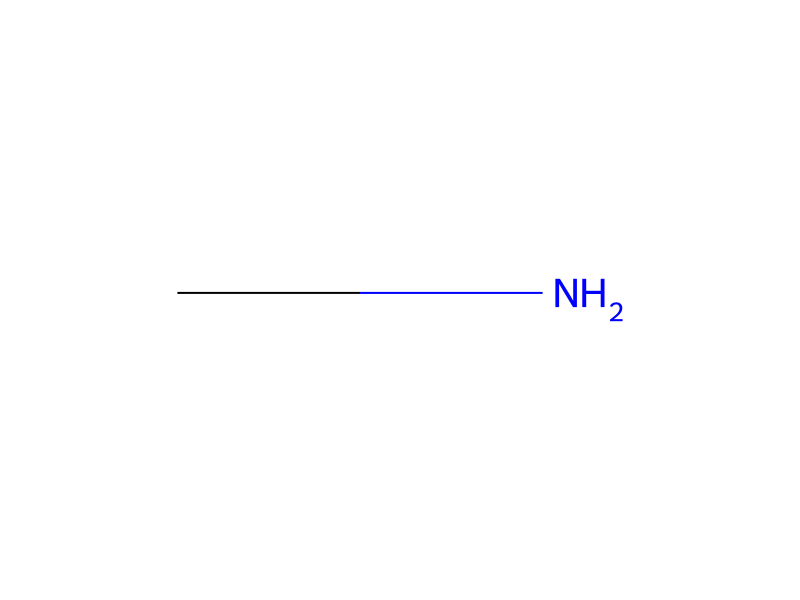
[Br:1][C:2]1[CH:3]=[CH:4][C:5]([OH:16])=[C:6]([C:8]([C:10]2[CH:15]=[CH:14][CH:13]=[CH:12][CH:11]=2)=O)[CH:7]=1.[CH3:17][NH2:18].C1COCC1.C1(C)C=CC(S(O)(=O)=O)=CC=1.C(O)(=O)C.C(O[BH-](OC(=O)C)OC(=O)C)(=O)C.[Na+]>C(Cl)Cl>[Br:1][C:2]1[CH:3]=[CH:4][C:5]([OH:16])=[C:6]([CH:8]([NH:18][CH3:17])[C:10]2[CH:15]=[CH:14][CH:13]=[CH:12][CH:11]=2)[CH:7]=1Participants
8







Procedure
(5-Bromo-2-hydroxy-phenyl)-phenyl-methanone (1.00 g, 3.536 mmol), 4 Å molecular sieves (1 g), and DCM are mixed then methylamine in THF (8.84 mL, 2M, 17.682 mmol) is added to followed by p-toluenesulfonic acid in acetic acid (0.474 mL, 12%, 0.354 mmol). Sodium triacetoxyborohydride (4.20 g, 19.80 mmol) is added in three separate portions. The mixture is quenched with saturated Na2CO3 solution and extracted with EtOAc. The organic phase is dried over Na2SO4 and the solvent removed on a rotary evaporator. This provides the desired compound which is used in the next step without further purification.
Workup
- customseparate portions
- customThe mixture is quenched with saturated Na2CO3 solution
- extractionextracted with EtOAc
- dry with materialThe organic phase is dried over Na2SO4
- customthe solvent removed on a rotary evaporator
Sources & evidence
- ORD record
- ord-1d5a700d584c4886bb2c28afd074fad7
- Source dataset
- uspto-grants-2015_12
- Patent number
- US09199988B2
Reaction notes
Loading…