Phosphorus trichloride → N-(7-(2-chlorophenyl)-2,6-naphthyridin-3-yl)cyclopropanecarboxamide
Reaction equation

[Cl:1][C:2]1[CH:7]=[CH:6][CH:5]=[CH:4][C:3]=1[C:8]1[N+:9]([O-])=[CH:10][C:11]2[C:16]([CH:17]=1)=[CH:15][N:14]=[C:13]([NH:18][C:19]([CH:21]1[CH2:23][CH2:22]1)=[O:20])[CH:12]=2.P(Cl)(Cl)Cl>ClCCl>[Cl:1][C:2]1[CH:7]=[CH:6][CH:5]=[CH:4][C:3]=1[C:8]1[CH:17]=[C:16]2[C:11]([CH:12]=[C:13]([NH:18][C:19]([CH:21]3[CH2:22][CH2:23]3)=[O:20])[N:14]=[CH:15]2)=[CH:10][N:9]=1Participants
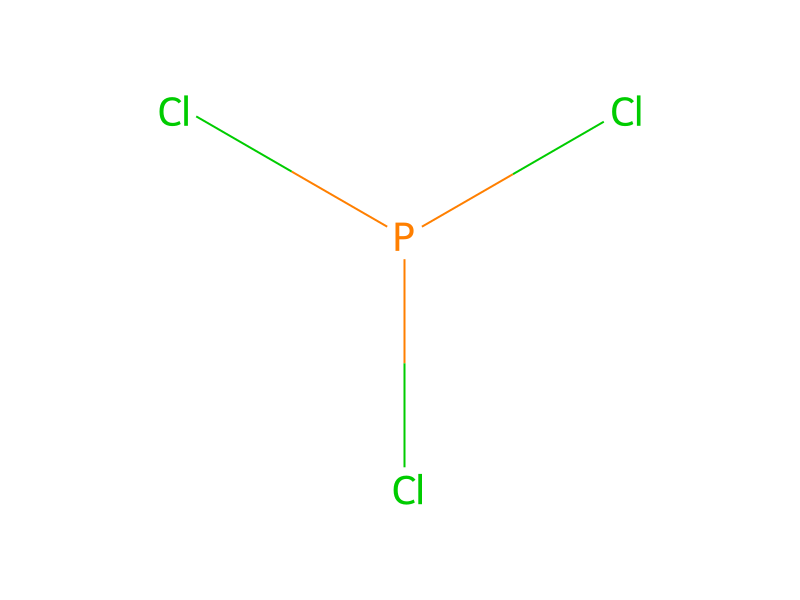



Procedure
To a slurry of 3-(2-chlorophenyl)-7-(cyclopropanecarboxamido)-2,6-naphthyridine 2-oxide (170 mg, 0.5 mmol) in dichloromethane (2 mL) was added phosphorus trichloride (0.048 mL, 0.55 mmol) and the mixture was stirred at room temperature for 1 hour. The reaction mixture was then diluted with dichloromethane (50 mL) and washed with saturated sodium bicarbonate solution (30 mL). The organic layer was separated, dried over sodium sulfate, filtered, and evaporated in vacuo to afford a residue that was purified by flash chromatography (silica, 12 g, ISCO, 0-60% ethyl acetate in heptane) to afford the title compound as a white solid (75 mg, 46%). 1H NMR (400 MHz, DMSO) δ 11.17 (s, 1H), 9.46 (s, 1H), 9.35 (s, 1H), 8.66 (s, 1H), 8.23 (s, 1H), 7.76-7.67 (m, 1H), 7.63 (m, 1H), 7.55-7.43 (m, 2H), 2.14-2.06 (m, 1H), 0.88 (m, 4H). LCMS (Method D): RT=13.170 min, M+H+=324.0.
Workup
- washwashed with saturated sodium bicarbonate solution (30 mL)
- customThe organic layer was separated
- dry with materialdried over sodium sulfate
- filtrationfiltered
- customevaporated in vacuo
- customto afford a residue that
- customwas purified by flash chromatography (silica, 12 g, ISCO, 0-60% ethyl acetate in heptane)
Sources & evidence
- ORD record
- ord-bdb62a5597d84ee78b2b5dfd757c2d9a
- Source dataset
- uspto-grants-2015_12
- Patent number
- US09206175B2
Reaction notes
Loading…