Diethyl Ether → HCID 86720796, compound
Reaction equation

[C:1](Cl)(=[O:10])[CH:2]=[CH:3][C:4]1[CH:9]=[CH:8][CH:7]=[CH:6][CH:5]=1.C([O:14]CC)C.[CH2:17]1C[O:20][CH2:19][CH2:18]1>>[C:1]([O-:10])(=[O:14])[CH:2]=[CH:3][C:4]1[CH:9]=[CH:8][CH:7]=[CH:6][CH:5]=1.[CH2:19]([O:20][C:1](=[O:10])[CH:2]=[CH2:3])[CH2:18][CH3:17]Participants
4



Procedure
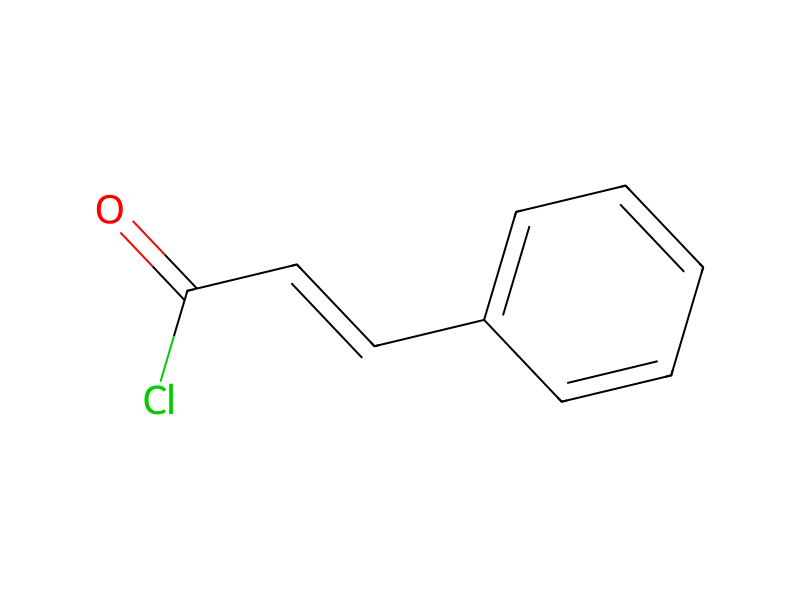
The cinnamoyl chloride (5 g, 33.7 mmol), 3-hydroxy propyl acrylate (35.0 mmol), and TEA (105 mmol) were dissolved in THF and stirred at the room temperature for 24 hours. After completion of the stirring, diethylether was added to form a precipitate, which was then filtered out. A column chromatography using a developing solvent (EA:hexane=1:4) was carried out to yield a titled product, cinnamate-propyl-acrylate.
Workup
- customto form a precipitate, which
- filtrationwas then filtered out
Sources & evidence
- ORD record
- ord-816d58d9f30b4a0faa731818007504f8
- Source dataset
- uspto-grants-2015_12
- Patent number
- US09223177B2
Reaction notes
Loading…