Citric Acid → Tricalcium Citrate
Reaction equation

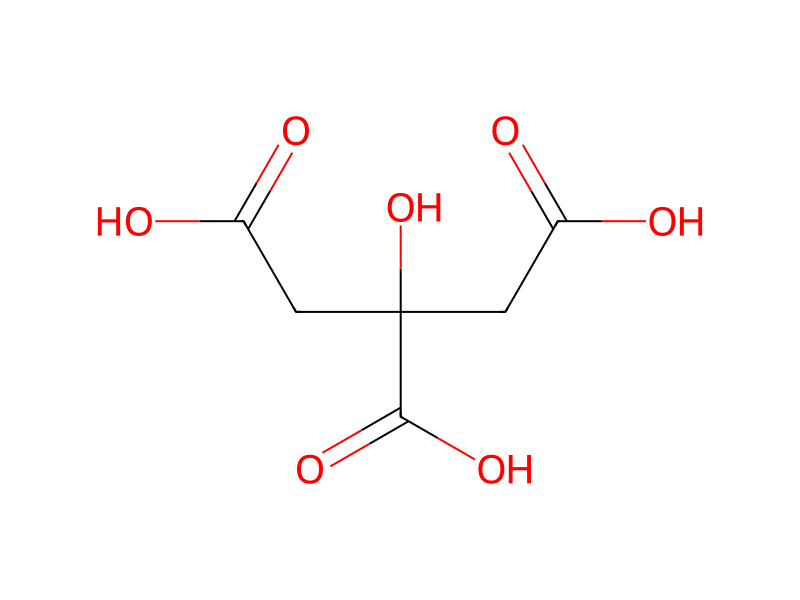
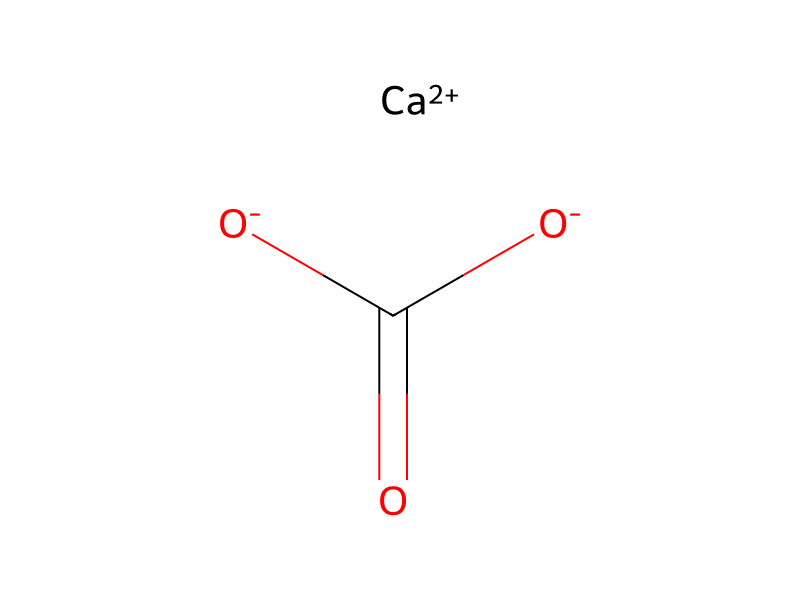
[C:1]([OH:13])(=[O:12])[CH2:2][C:3]([CH2:8][C:9]([OH:11])=[O:10])([C:5]([OH:7])=[O:6])[OH:4].C(=O)([O-])[O-].[Ca+2:18]>O>[C:1]([O-:13])(=[O:12])[CH2:2][C:3]([CH2:8][C:9]([O-:11])=[O:10])([C:5]([O-:7])=[O:6])[OH:4].[Ca+2:18].[C:1]([O-:13])(=[O:12])[CH2:2][C:3]([CH2:8][C:9]([O-:11])=[O:10])([C:5]([O-:7])=[O:6])[OH:4].[Ca+2:18].[Ca+2:18]Participants
Reactant 2
Product 1

Reagents, catalysts & solvents 1

Procedure
Six powder mixes of potassium calcium citrate were prepared; their compositions are presented in Table 3. Calcium was provided as calcium carbonate. By adding equivalent amount of citric acid, calcium carbonate was allowed to dissolve in water or gastric juice by reacting with citric acid to form soluble calcium citrate. Potassium was provided as potassium citrate. When the premix of calcium carbonate, citric acid and potassium citrate was dissolved in water, the resulting aqueous preparations delivered the same single doses of calcium and potassium, as provided by the usual single doses of commercial calcium citrate and potassium citrate; that is, 20 mEq (400 mg) of calcium and 20 mEq of potassium, respectively. Preparation A contained just the amount of total citrate (40 mEq) to neutralize total amount of calcium and potassium cations (40 mEq). Thus, the molar ratio of Preparation A was 2:1:1.33, since each dose in 250 cc yielded 20 mmol potassium, 10 mmol calcium, and 1.33 mmol citrate (40 mEq divided by a valence of 3). The chemical composition of Preparation A was identical to a single dose of combined calcium citrate and potassium citrate treatment described in Examples 1 and 2.
Sources & evidence
- ORD record
- ord-2765632eec2b4f0da3d8bbf624dc0748
- Source dataset
- uspto-grants-2012_07
- Patent number
- US08216614B2
Reaction notes
Loading…