Heptane → Methyl 6-bromohex-2-enoate
Reaction equation

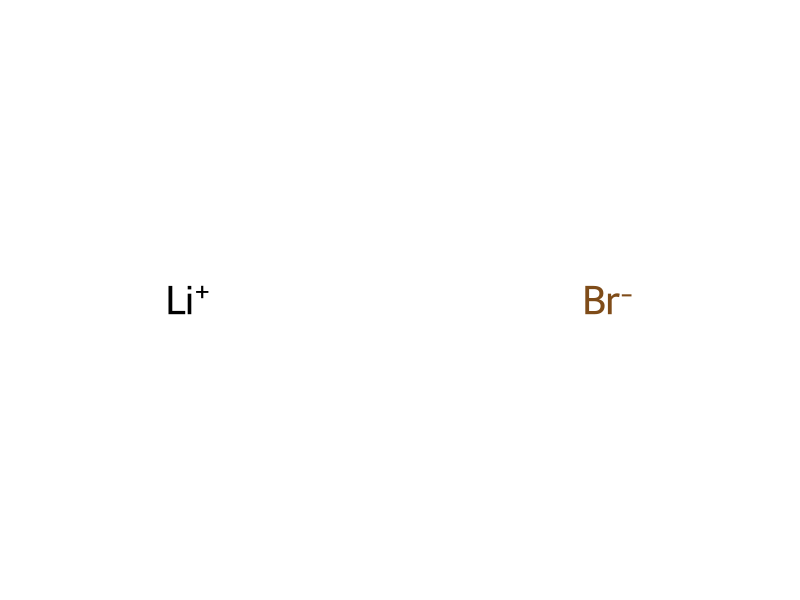
[CH3:1][O:2][C:3](=[O:10])[CH:4]=[CH:5][CH2:6][CH2:7][CH2:8]Cl.[Br-:11].[Li+].CCCCCCC>O>[CH3:1][O:2][C:3](=[O:10])[CH:4]=[CH:5][CH2:6][CH2:7][CH2:8][Br:11]Participants
5
Reactant 3


Product 1

Reagents, catalysts & solvents 1

Procedure
In an atmosphere of nitrogen, 6-chloro-2-hexenoic acid methyl ester (4Cl); 188.8 g {GC purity; 83.6%, pure amount; 157.9 g (0.971 mol)}, lithium bromide (126.5 g, 1.457 mol) and heptane (16 ml) were added to a 500 ml capacity flask, followed by stirring for 6 hours under heptane reflux. After completion of the reaction, heptane was added as an extraction solvent and water was added thereto to separate the organic layer. The solvent was evaporated under a reduced pressure using an evaporator, and then the residue was distilled under a reduced pressure (70 to 80° C./0.1 ton) to obtain 6-bromo-2-hexenoic acid methyl ester (4Br); 203.4 g {GC purity; 82.3%, pure amount (4Br); 167.5 g (0.809 mol, yield 83%/(4Cl)}.
Workup
- temperaturereflux
- additionwas added
- customto separate the organic layer
- customThe solvent was evaporated under a reduced pressure
- customan evaporator
- distillationthe residue was distilled under a reduced pressure (70 to 80° C./0.1 ton)
Sources & evidence
- ORD record
- ord-fc2f0be483fc4e008a53d25faa8aa40b
- Source dataset
- uspto-grants-2012_07
- Patent number
- US08217192B2
Reaction notes
Loading…