Potassium Chloride → 1-Dodecanethiol
Reaction equation

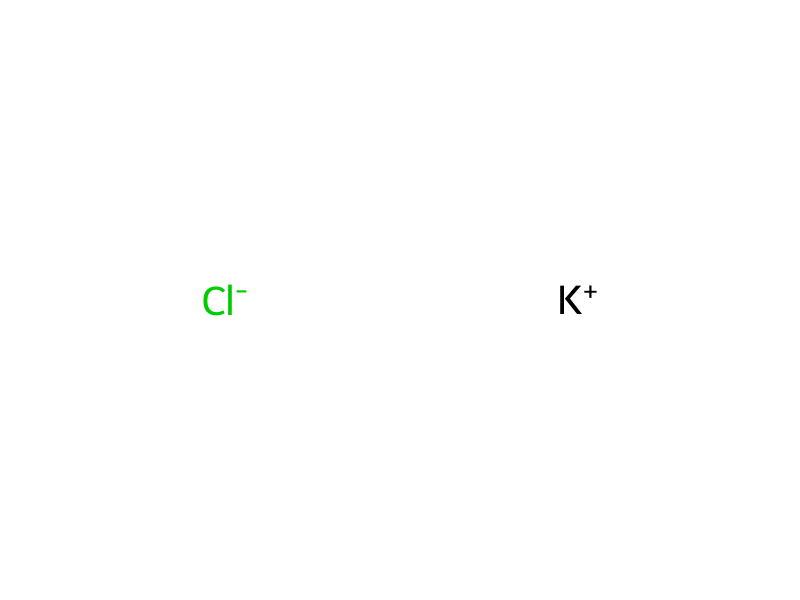
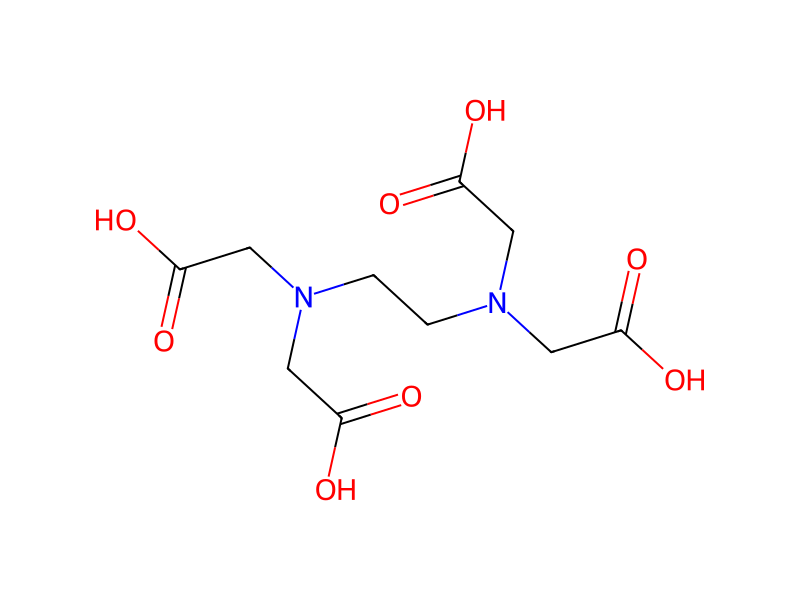
C(N([CH2:17][C:18](O)=O)CC(O)=O)CN(CC(O)=O)CC(O)=O.C([O-])(=O)CCCCCCC/C=C\CCCCCCCC.[K+].[Cl-].[K+].C=O.[C:46]1([S:56](O)(=O)=O)[C:55]2[C:50](=[CH:51][CH:52]=[CH:53][CH:54]=2)[CH:49]=[CH:48][CH:47]=1.[Na]>O>[CH2:46]([SH:56])[CH2:47][CH2:48][CH2:49][CH2:50][CH2:51][CH2:52][CH2:53][CH2:54][CH2:55][CH2:17][CH3:18]Participants
7
Reactant 5



Product 1

Reagents, catalysts & solvents 1

Procedure
A solution of 1.16 g polyethylene oxide (prepared according to the teaching of DE 1 213 984) and 0.06 g ethylenediamine tetraacetic acid in 2.54 g deionized water is added, followed by 46.0 g deionized water. After 3 hours a solution of 4.12 g potassium oleate, 0.03 g potassium chloride and 0.36 g naphthalene sulfonic acid formaldehyde condensate, sodium salt in 21.7 g deionized water, followed by 46.0 g of deionized water. Finally the latex has a solids content of ca. 31%. The latex is then concentrated under stirring and nitrogen atmosphere in a water bath at 70° C. to a solid content of ca. 67%.
Workup
- additionis added
- concentrationThe latex is then concentrated
- customat 70° C.
Sources & evidence
- ORD record
- ord-e119b92c834c480a9ddb4303af92d00b
- Source dataset
- uspto-grants-2012_07
- Patent number
- US08222362B2
Reaction notes
Loading…