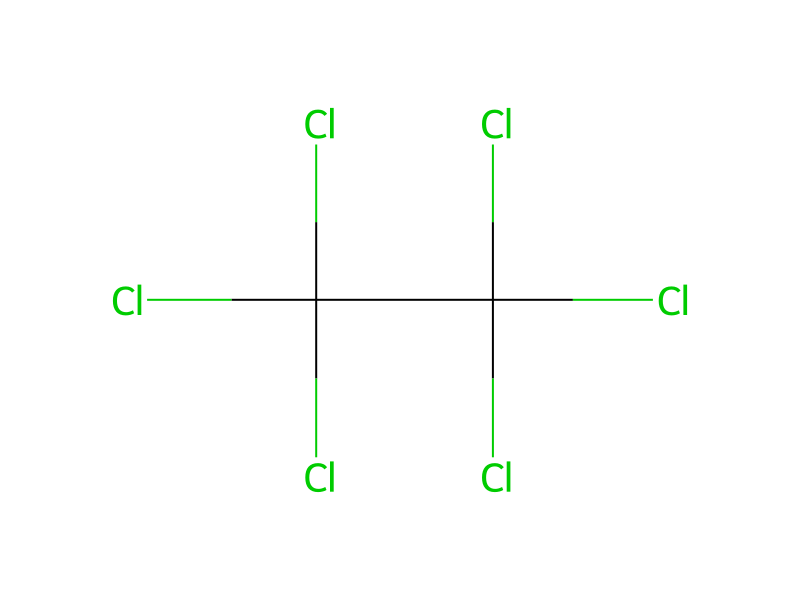
Hexachloroethane → endo-Dicyclopentadiene
Reaction equation

[CH2:1]1[CH:5]2[CH:6]3[CH:10]=[CH:9][CH:8]([CH:4]2[CH:3]=[CH:2]1)[CH2:7]3.C1(C#C)C=CC=CC=1.ClC(Cl)(Cl)C(Cl)(Cl)Cl>>[CH2:1]1[CH:5]2[C@@H:6]3[CH:10]=[CH:9][C@H:8]([CH:4]2[CH:3]=[CH:2]1)[CH2:7]3Participants
4


Procedure
A 10.0 gram (75.6 mmol) amount of dicyclopentadiene was added to a 20 ml scintillation vial. A 5.0 milligram (7.2 μmol) amount of RuClH(H2)(PCy3)2 was added. Five equivalents of phenylacetylene and hexachloroethane per equivalent of RuClH(H2)(PCy3)2 were added via the addition of 0.5 mls of 72 mM solution of phenylacetylene and hexachloroethane, respectively. The ring-opening polymerization of dicyclopentadiene was observed by a rapid thickening of the solution to a rubbery viscous material. After 4 minutes, the material was a rubbery solid. After 24 hours, the material was a hard rubbery solid.
Workup
- waitAfter 24 hours
Sources & evidence
- ORD record
- ord-5d01298bb9e345b6b548ff7cbe95c1c2
- Source dataset
- uspto-grants-2012_07
- Patent number
- US08227371B2
Reaction notes
Loading…