Glycerol → 7-Bromo-5-fluoroquinoline
Reaction equation

Cl.[Br:2][C:3]1[CH:4]=[C:5]([CH:7]=[C:8]([F:10])[CH:9]=1)[NH2:6].O[CH2:12][CH:13]([CH2:15]O)O.[N+]([C:20]1[CH:25]=CC=C[CH:21]=1)([O-])=O.S(=O)(=O)(O)O>O.O.O.O.O.O.O.S([O-])([O-])(=O)=O.[Fe+2]>[Br:2][C:3]1[CH:9]=[C:8]([F:10])[CH:7]=[C:5]2[C:4]=1[CH:12]=[CH:13][CH:15]=[N:6]2.[Br:2][C:3]1[CH:4]=[C:5]2[C:7]([CH:21]=[CH:20][CH:25]=[N:6]2)=[C:8]([F:10])[CH:9]=1Participants
7
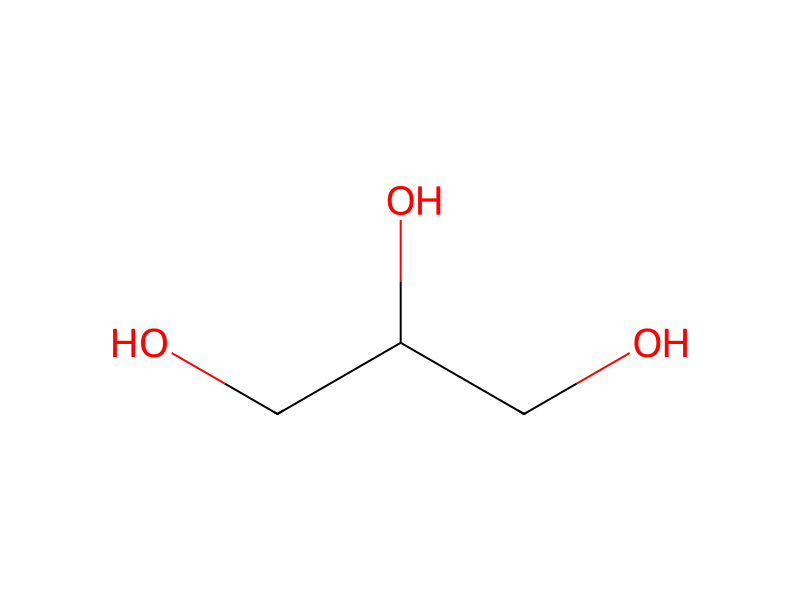




Procedure
To 3-bromo-5-fluoroaniline hydrochloride (2.9 g, 12.89 mmol) was added glycerol (1.9 mL, 25.99 mmol), nitrobenzene (1.3 mL), sulfuric acid (3.5 mL) and iron (II) sulfate heptahydrate (0.23 g, 0.82 mmol). The reaction mixture was placed in an oil bath set at 80° C. and stirred overnight followed by basification with 12N NaOH and extraction with dichloromethane. The organic phase was collected, dried (sodium sulfate), filtered and concentrated under reduced pressure. Purification by flash chromatography (silica, 50:50 ethyl acetate/hexane) gave 5-bromo-7-fluoroquinoline and 7-bromo-5-fluoroquinoline (1.03 g, 30%) Retention time (min)=1.877 and 1.967, method [4], MS(ESI) 227.9 (M+H).
Workup
- customThe reaction mixture was placed in an oil bath
- customset at 80° C.
- extractionfollowed by basification with 12N NaOH and extraction with dichloromethane
- customThe organic phase was collected
- dry with materialdried (sodium sulfate)
- filtrationfiltered
- concentrationconcentrated under reduced pressure
- customPurification by flash chromatography (silica, 50:50 ethyl acetate/hexane)
Sources & evidence
- ORD record
- ord-8b1919d2fd9e4d28bd62be0063475a07
- Source dataset
- uspto-grants-2015_07
- Patent number
- US09073891B2
Reaction notes
Loading…