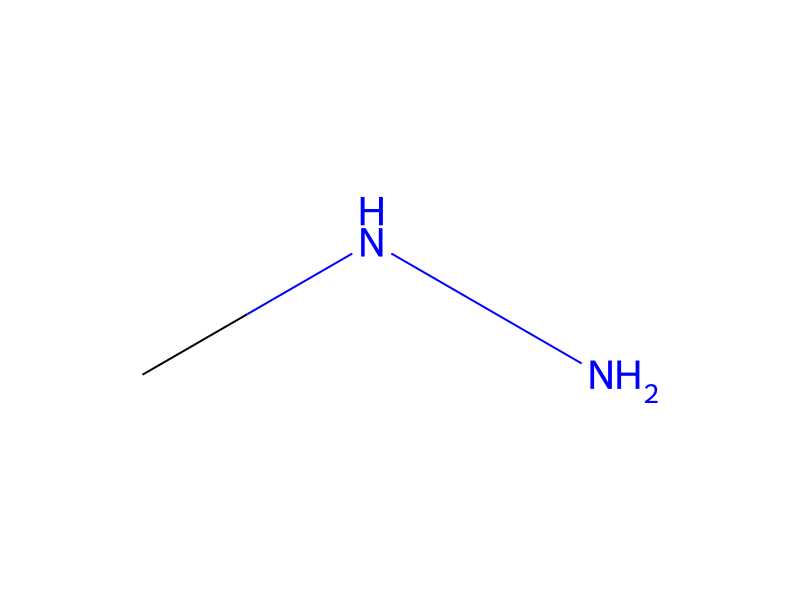
Methylhydrazine → HCID 66576808, compound
Reaction equation

[Cl:1][C:2]1[C:7]([C:8]2[CH:13]=[CH:12][CH:11]=[CH:10][CH:9]=2)=[N:6][N:5]=[C:4]2[NH:14][N:15]=C(C3C=CC=CC=3)[C:3]=12.[CH3:23][C:24]1[CH:25]=[C:26]([CH:29]=[CH:30][CH:31]=1)[CH:27]=O.[CH3:32]NN>>[Cl:1][C:2]1[C:7]([C:8]2[CH:13]=[CH:12][CH:11]=[CH:10][CH:9]=2)=[N:6][N:5]=[C:4]2[N:14]([CH3:32])[N:15]=[C:27]([C:26]3[CH:25]=[C:24]([CH3:23])[CH:31]=[CH:30][CH:29]=3)[C:3]=12Participants
4


Procedure
Compound 19 was synthesised following similar procedures outlined in Example 22 (Compound 9), using 3-methylbenzaldehyde instead of benzaldehyde in Step 1 and methyl hydrazine instead of hydrazine hydrate in Step 3. As a slightly modified procedure, Step 3 was performed at 60° C. for 16 h in a sealed tube. Subsequently, the reaction mixture was partitioned between CH2Cl2 and water. The organic phase was separated using a phase separating cartridge and concentrated in vacuo. The crude residue was purified by column chromatography (silica gel, gradient 5 to 20% ethyl acetate/isohexane) yielding Compound 19 as a solid.
Workup
- customCompound 19 was synthesised
- customSubsequently, the reaction mixture was partitioned between CH2Cl2 and water
- customThe organic phase was separated
- customseparating cartridge
- concentrationconcentrated in vacuo
- customThe crude residue was purified by column chromatography (silica gel, gradient 5 to 20% ethyl acetate/isohexane)
Sources & evidence
- ORD record
- ord-cbc7c17417224ab194903597e66d2757
- Source dataset
- uspto-grants-2015_07
- Patent number
- US09079909B2
Reaction notes
Loading…