Ethylene Oxide → Butyl ethyl(2-hydroxyethyl)phosphinate
Reaction equation

[CH2:1]([P:3]([O-:9])[O:4][CH2:5][CH2:6][CH2:7][CH3:8])[CH3:2].[H-].[Na+].B(F)(F)F.[CH3:16][CH2:17][O:18]CC.C1OC1.[Cl-].[NH4+]>C1(C)C=CC=CC=1>[CH2:1]([P:3]([CH2:16][CH2:17][OH:18])(=[O:9])[O:4][CH2:5][CH2:6][CH2:7][CH3:8])[CH3:2]Participants
7





Procedure
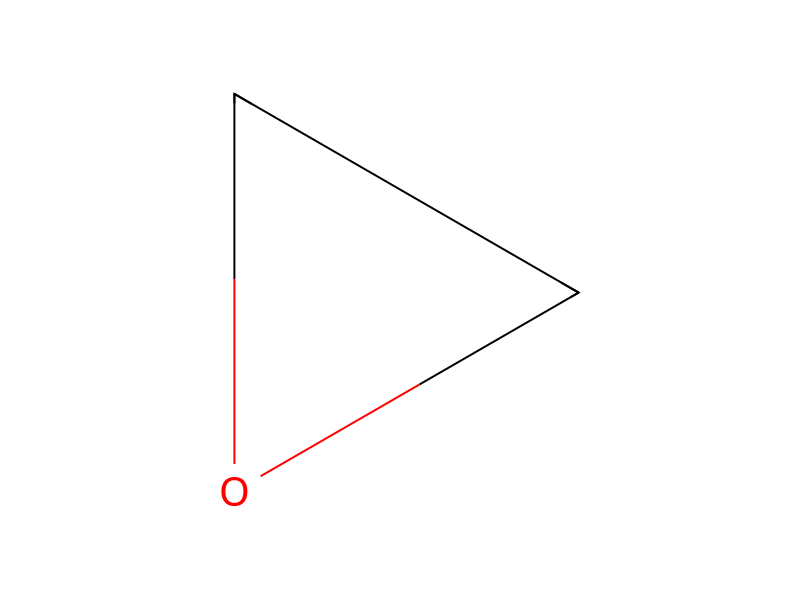
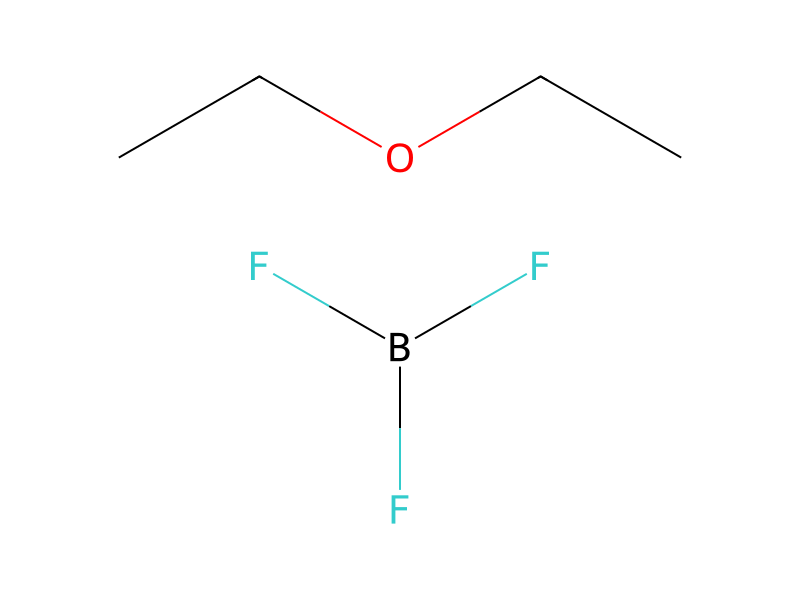
4.5 g (30 mmol) of butyl ethylphosphonite (prepared as in Example 2) are dissolved in 30 ml of toluene and at 0° C. admixed with 0.72 g (30 mmol) of sodium hydride. After one hour of stirring, 5.68 g (40 mmol) of boron trifluoride etherate are added and ethylene oxide is passed in and the mixture is subsequently reacted for a further two hours. Thereafter, aqueous ammonium chloride solution is added and the mixture is warmed to room temperature. That is subsequently concentrated in vacuo, the residue is taken up in diethyl ether, insoluble salts are filtered off and the mixture is again concentrated. Chromatographic purification leaves 4.5 g (78% of theory) of butyl ethyl(2-hydroxyethyl)phosphinate being obtained as oil.
Workup
- customis subsequently reacted for a further two hours
- concentrationThat is subsequently concentrated in vacuo
- filtrationinsoluble salts are filtered off
- concentrationthe mixture is again concentrated
- customChromatographic purification
Sources & evidence
- ORD record
- ord-1113067926c64182b9c948538c2cb9cb
- Source dataset
- uspto-grants-2015_07
- Patent number
- US09085734B2
Reaction notes
Loading…