Sodium Hydroxide → HCID 87290041, compound
Reaction equation

C([O:3][CH:4]1[CH2:13][C:12]2[CH:11]=[CH:10][C:9]3[C:14]4[C:19]([CH:20]=[CH:21][C:8]=3[C:7]=2[O:6][CH2:5]1)=[CH:18][CH:17]=[CH:16][CH:15]=4)C.[OH-].[Na+].Cl(O)(=O)(=O)=O>>[OH:3][CH:4]1[CH2:13][C:12]2[CH:11]=[CH:10][C:9]3[C:14]4[C:19]([CH:20]=[CH:21][C:8]=3[C:7]=2[O:6][CH2:5]1)=[CH:18][CH:17]=[CH:16][CH:15]=4Participants



Procedure
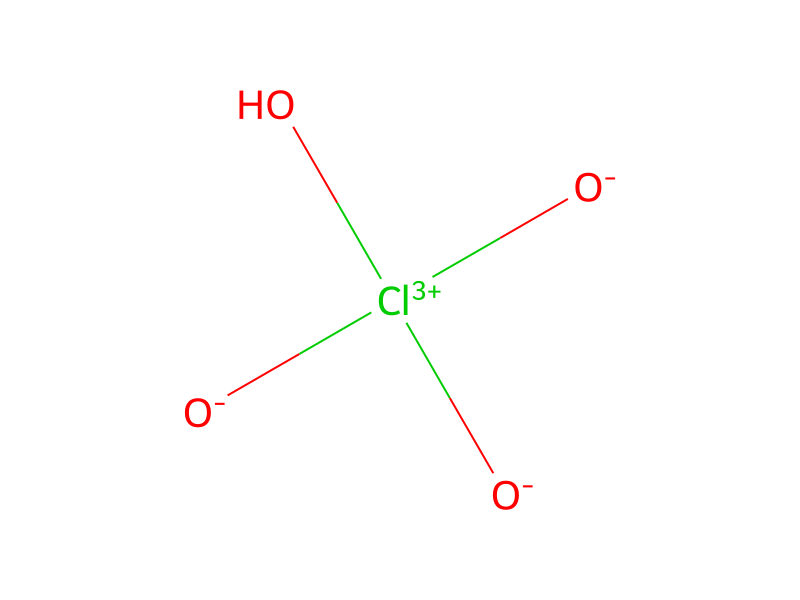
On other hand, 2-ethoxynaphthochroman 5a is photochemically stable and shows no decomposition even after prolonged irradiation at 254, 300 nm or 350 nm. The stability of 5a was measured in aqueous solution at pH˜7, 0.1N aqueous sodium hydroxide solution, and 0.1N aqueous perchioric acid for the 24 h period. HPLC analysis indicates that there are no changes in the concentration of 5a in aqueous solution of neutral pH and 0.1N aqueous sodium hydroxide solution. This observation clearly demonstrates that 5a is stable under neutral or basic conditions. 5a undergoes slow hydrolysis (life time τ˜9.5 h) in aqueous solution of perchloric acid of pH 1 to produce 2-hydroxynapthochroman (5e, FIG. 5). Besides, vinyl ethers are stable at ambient conditions and do not react in the dark.
Workup
- customeven after prolonged irradiation at 254, 300 nm or 350 nm
Sources & evidence
- ORD record
- ord-0bbf72fd99c94be4a35ff63c68e0e540
- Source dataset
- uspto-grants-2015_07
- Patent number
- US09090542B2
Reaction notes
Loading…