Dichloromethane → HCID 68337306, compound
Reaction equation

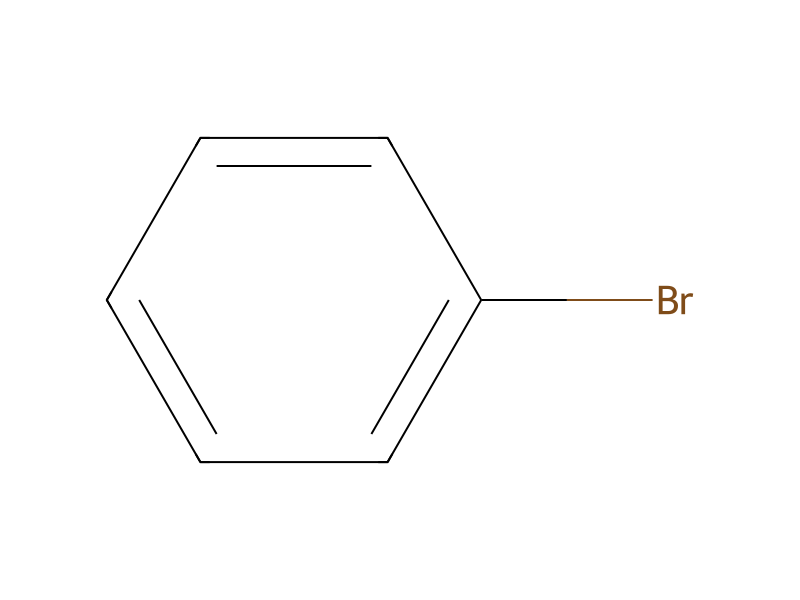
[C:1]1([C:7]2[CH:12]=[C:11]([C:13]3[CH:18]=[CH:17][CH:16]=[CH:15][CH:14]=3)[N:10]=[C:9]([N:19]3[C:38]4[C:26](=[CH:27][C:28]5[C:29]([CH3:46])([CH3:45])[C:30]6[CH:31]=[C:32]([C:39]7[CH:44]=[CH:43][CH:42]=[CH:41][CH:40]=7)[CH:33]=[CH:34][C:35]=6[C:36]=5[CH:37]=4)[C:25]4[C:20]3=[CH:21][CH:22]=[C:23](B(O)O)[CH:24]=4)[N:8]=2)[CH:6]=[CH:5][CH:4]=[CH:3][CH:2]=1.Br[C:51]1[CH:56]=[CH:55][CH:54]=[CH:53][CH:52]=1.ClCCl>O.O1CCOCC1.C1(C)C=CC=CC=1.C1(P([Pd-4](P(C2C=CC=CC=2)(C2C=CC=CC=2)C2C=CC=CC=2)(P(C2C=CC=CC=2)(C2C=CC=CC=2)C2C=CC=CC=2)P(C2C=CC=CC=2)(C2C=CC=CC=2)C2C=CC=CC=2)(C2C=CC=CC=2)C2C=CC=CC=2)C=CC=CC=1>[C:1]1([C:7]2[CH:12]=[C:11]([C:13]3[CH:18]=[CH:17][CH:16]=[CH:15][CH:14]=3)[N:10]=[C:9]([N:19]3[C:38]4[C:26](=[CH:27][C:28]5[C:29]([CH3:46])([CH3:45])[C:30]6[CH:31]=[C:32]([C:39]7[CH:44]=[CH:43][CH:42]=[CH:41][CH:40]=7)[CH:33]=[CH:34][C:35]=6[C:36]=5[CH:37]=4)[C:25]4[C:20]3=[CH:21][CH:22]=[C:23]([C:51]3[CH:56]=[CH:55][CH:54]=[CH:53][CH:52]=3)[CH:24]=4)[N:8]=2)[CH:6]=[CH:5][CH:4]=[CH:3][CH:2]=1Participants






Procedure
26.6 g (42 mmol) of 6-(4,6-diphenylpyrimidin-2-yl)-12,12-dimethyl-2-phenyl-6,12-dihydro-6-azaindeno[1,2-b]fluorene-9-boronic acid and 8.2 g (52.4 mmol) of bromobenzene are dissolved in a degassed mixture of 135 ml of water, 315 ml of dioxane and 315 ml of toluene, and 5.33 g (50.31 mmol) of Na2 CO3 are added. The reaction mixture is degassed, and 0.96 g (0.84 mmol) of tetrakistriphenylphosphinopalladium(0) is added. The mixture is heated under reflux for 18 h. After cooling, dichloromethane is added (heterogeneous mixture), the water phase is separated off, and the organic phase is evaporated azeotropically with toluene. The residue is extracted with hot toluene, recrystallised from toluene and finally sublimed in a high vacuum. The purity is 99.9%, the yield is 23 g (34 mmol, 82%).
Workup
- additionare added
- customThe reaction mixture is degassed
- temperatureThe mixture is heated
- temperatureunder reflux for 18 h
- temperatureAfter cooling
- customthe water phase is separated off
- customthe organic phase is evaporated azeotropically with toluene
- extractionThe residue is extracted with hot toluene
- customrecrystallised from toluene
Sources & evidence
- ORD record
- ord-aa7d7081c8e44475bc20a10d69587c8b
- Source dataset
- uspto-grants-2015_07
- Patent number
- US09090590B2
Reaction notes
Loading…