Ammonia → HCID 19364861, compound
Reaction equation

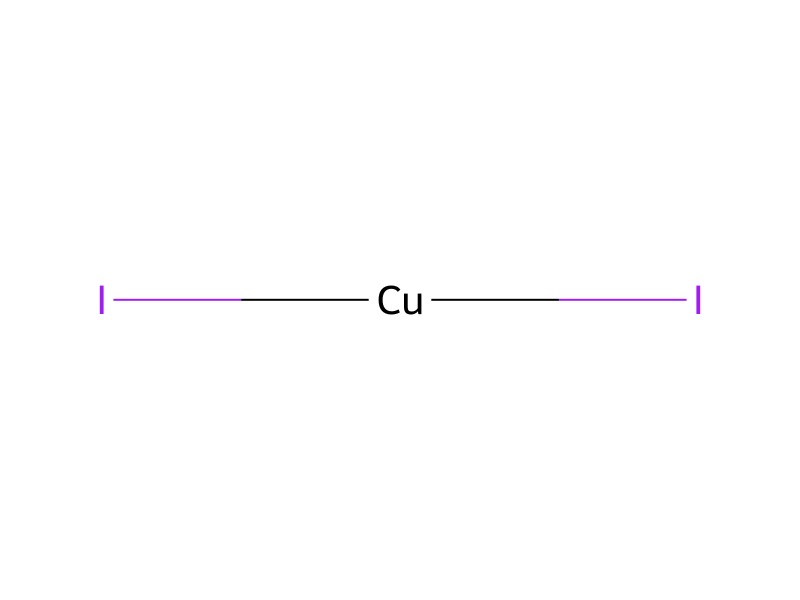
Br[C:2]1[CH:3]=[C:4]2[C:12]3=[C:13]([C:15](=[O:25])[C:16]([CH2:18][C:19]4[CH:20]=[N:21][CH:22]=[CH:23][CH:24]=4)=[CH:17][N:11]3[C:10]3[CH:9]=[CH:8][CH:7]=[CH:6][C:5]2=3)[CH:14]=1.[NH3:26]>[Cu].[Cu](I)I>[NH2:26][C:2]1[CH:3]=[C:4]2[C:12]3=[C:13]([C:15](=[O:25])[C:16]([CH2:18][C:19]4[CH:20]=[N:21][CH:22]=[CH:23][CH:24]=4)=[CH:17][N:11]3[C:10]3[CH:9]=[CH:8][CH:7]=[CH:6][C:5]2=3)[CH:14]=1Participants
Reactant 2


Product 1

Reagents, catalysts & solvents 2

Conditions
- Temperature
- 185 °C
Procedure
2-bromo-5-(3-pyridylmethyl)-4H-pyrido[3,2,1-jk]carbazole-4-one (555 mg) produced in Example 178, copper (20 mg), and copper iodide (10 mg) were suspended in aqueous ammonia (28%, 30 ml) in a pressure-resistant microbomb, and the suspension was heated to 180 to 190° C. in an oil bath and stirred for 8 hours. The reaction mixture was then allowed to cool and brought back to normal pressure, and extracted with ethyl acetate. The ethyl acetate layer was washed with saturated aqueous solution of sodium chloride, and dried over anhydrous sodium sulfate, and the solvent was evaporated under reduced pressure. The residue was purified by silica gel flash column chromatography (eluent: ethyl acetate), and the crude purification product was recrystallized from ethanol to obtain the title compound (120 mg; 26%).
Workup
- temperatureto cool
- extractionextracted with ethyl acetate
- washThe ethyl acetate layer was washed with saturated aqueous solution of sodium chloride
- dry with materialdried over anhydrous sodium sulfate
- customthe solvent was evaporated under reduced pressure
- customThe residue was purified by silica gel flash column chromatography (eluent: ethyl acetate)
- customthe crude purification product
- customwas recrystallized from ethanol
Sources & evidence
- ORD record
- ord-4bd32c93f3cc4b09b24767d6bfb29973
- Source dataset
- uspto-grants-2001_03
- Patent number
- US06197768B1
Reaction notes
Loading…