Ethanol → HCID 22013560, compound
Reaction equation

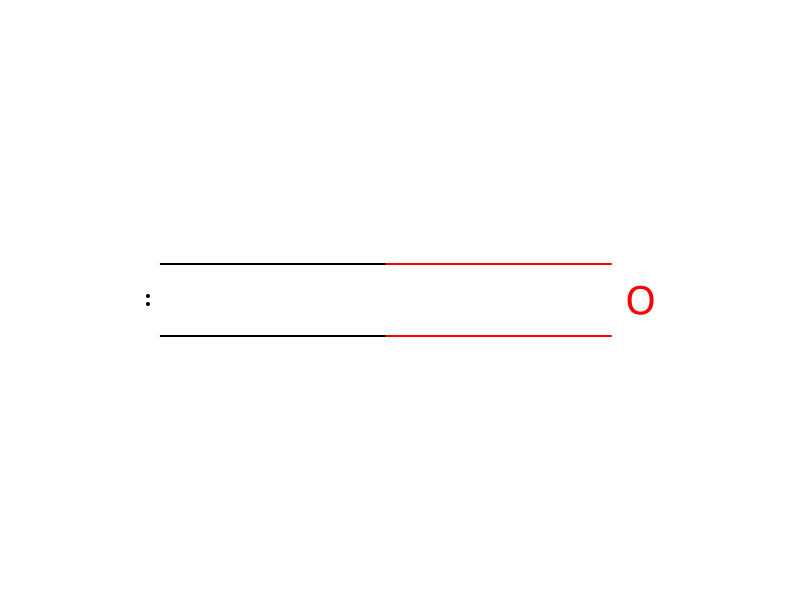
[Cl:1][C:2]1[CH:3]=[CH:4][C:5]([C:9]2[C:13]([Cl:14])=[C:12]([C:15]([F:18])([F:17])[F:16])[N:11]([CH3:19])[N:10]=2)=[N:6][C:7]=1Cl.[CH2:20]([OH:22])C.[C]=[O:24].C(N([CH2:30][CH3:31])CC)C>>[CH2:30]([O:24][C:20]([C:7]1[N:6]=[C:5]([C:9]2[C:13]([Cl:14])=[C:12]([C:15]([F:18])([F:17])[F:16])[N:11]([CH3:19])[N:10]=2)[CH:4]=[CH:3][C:2]=1[Cl:1])=[O:22])[CH3:31]Participants




Conditions
- Temperature
- 25 °C
Procedure
An autoclave is loaded with 7.0 g of 3-(5,6-dichloro-2-pyridyl)-4chloro 5trifluoromethyl-1-methyl-[1H]-pyrazole (Example H20), 100 ml of dry ethanol, 9.0 ml of triethylamine and 0.83 g of palladium bistriphenylphosphine dichloride (PdCl2(PPh3)2). 140 bar of carbon monoxide are forced in at 25° C. and the mixture is then kept at 120° C. for 15 hours. After cooling to 25° C., the mixture is concentrated and the residue is then absorbed onto silica gel from ethyl acetate. This silica gel is introduced onto a flash chromatography column and the column is then eluted with a mixture of n-hexane/ethyl acetate 7/1 (v/v). 4.51 g of the desired title compound are obtained as a yellow solid (58% of theory). TLC analysis: Rf value of the product (silica gel 60 F254, n-hexane/ethyl acetate 4/1 (v/v)): 0.19.
Workup
- customare forced in at 25° C.
- concentrationthe mixture is concentrated
- customthe residue is then absorbed onto silica gel from ethyl acetate
- additionThis silica gel is introduced onto a flash chromatography column
- washthe column is then eluted with a mixture of n-hexane/ethyl acetate 7/1 (v/v)
Sources & evidence
- ORD record
- ord-4e5ebc99b3c145abb2963399e6095c06
- Source dataset
- uspto-grants-2001_03
- Patent number
- US06204221B1
Reaction notes
Loading…