Sodium Chloride → HCID 22707363, compound
Reaction equation

C([O:5][C:6]([N:8]1[CH2:13][CH2:12][N:11]([C:14]2[C:23]3[CH:22]=[C:21]4[N:24]([CH2:30][CH3:31])[C:25](=[O:29])[N:26]([CH2:27][CH3:28])[C:20]4=[CH:19][C:18]=3[C:17](Cl)=[N:16][N:15]=2)[CH2:10][CH2:9]1)=O)(C)(C)C.FC(F)(F)C(O)=O.[N+:40]([C:43]1[CH:48]=[CH:47][C:46]([N:49]=C=O)=[CH:45][CH:44]=1)([O-:42])=[O:41].[Cl-].[Na+]>ClCCl.O>[CH2:27]([N:26]1[C:20]2=[CH:19][C:18]3[CH:17]=[N:16][N:15]=[C:14]([N:11]4[CH2:12][CH2:13][N:8]([C:6]([NH:49][C:46]5[CH:47]=[CH:48][C:43]([N+:40]([O-:42])=[O:41])=[CH:44][CH:45]=5)=[O:5])[CH2:9][CH2:10]4)[C:23]=3[CH:22]=[C:21]2[N:24]([CH2:30][CH3:31])[C:25]1=[O:29])[CH3:28]Participants


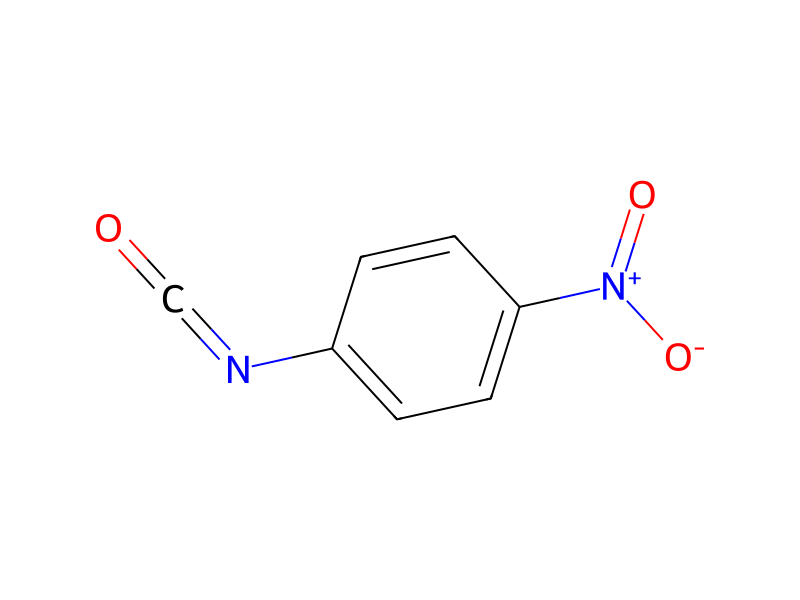




Procedure
To a solution of 758.4 mg (1.65 mmol) of 4-(8-chloro-1,3-diethyl-1,3-dihydro-2-oxo-2H-imidazo[4,5-g]phthalazin-5-yl)-1-piperazinecarboxylic acid tert-butyl ester obtained in Reference Example 21 (5) in 20 ml of dichloromethane was added 50 ml of trifluoroacetic acid under ice-cooling, followed by stirring at the same temperature for 5 hours. After the solvent was evaporated, the residue was subjected to azeotropic distillation with toluene twice. The obtained residue was dissolved in 20 ml of acetic acid, and a suspension of 300 mg of 10% palladium-carbon in 5 ml of water was added thereto, followed by overnight stirring at room temperature in an atmosphere of hydrogen. After the catalyst was separated by filtration using Celite, the solvent was evaporated, and the residue was subjected to azeotropic distillation with triethylamine. The obtained residue was dissolved in 10 ml of dimethylformamide, and 297.3 mg (1.81 mmol) of 4-nitrophenyl isocyanate was added thereto, followed by stirring at room temperature for 2 hours. The reaction mixture was poured into water, and sodium chloride was added thereto. The precipitated crystals were collected by filtration, washed with water, and dried, followed by purification by silica gel chromatography to give the desired compound as colorless crystals.
Workup
- temperaturecooling
- customAfter the solvent was evaporated
- distillationthe residue was subjected to azeotropic distillation with toluene twice
- dissolutionThe obtained residue was dissolved in 20 ml of acetic acid
- additiona suspension of 300 mg of 10% palladium-carbon in 5 ml of water
- additionwas added
- waitfollowed by overnight
- stirringstirring at room temperature in an atmosphere of hydrogen
- customAfter the catalyst was separated by filtration
- customthe solvent was evaporated
- distillationthe residue was subjected to azeotropic distillation with triethylamine
- dissolutionThe obtained residue was dissolved in 10 ml of dimethylformamide
- stirringby stirring at room temperature for 2 hours
- additionwas added
- filtrationThe precipitated crystals were collected by filtration
- washwashed with water
- customdried
- customfollowed by purification by silica gel chromatography
Sources & evidence
- ORD record
- ord-9feaf6c6235f4b18863744c1e1f0290c
- Source dataset
- uspto-grants-2001_03
- Patent number
- US06207667B1
Reaction notes
Loading…