Oxalic Acid → HCID 19908363, compound
Reaction equation

[S:1]1[CH:5]=[CH:4][N:3]=[C:2]1/[CH:6]=[C:7]1\[CH2:8][N:9]2[CH2:14][CH2:13][CH:12]\1[CH2:11][CH2:10]2.[C:15]([OH:20])(=[O:19])[C:16]([OH:18])=[O:17]>CO.C(O)C.C(OCC)C.[Pt]>[C:15]([OH:20])(=[O:19])[C:16]([OH:18])=[O:17].[S:1]1[CH:5]=[CH:4][N:3]=[C:2]1[CH2:6][CH:7]1[CH:12]2[CH2:11][CH2:10][N:9]([CH2:14][CH2:13]2)[CH2:8]1Participants
6
Reactant 2
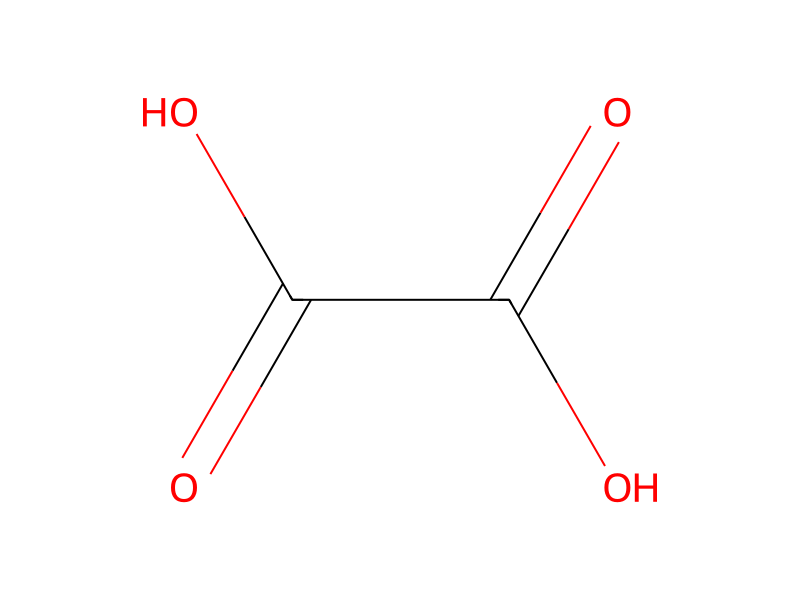

Product 1

Reagents, catalysts & solvents 3



Procedure
(±) Z 3((1,3-Thiazol-2-yl)methylene)-1-azabicyclo [2.2.2]octane (D34) (0.15g, 0.00073 moles) was hydrogenated in methanol (20ml) over a 5% platinum on sulphided carbon catalyst (0.6g) at 200 psi and 100° C. for 48h. The mixture was filtered through Kieselguhr and the filter pad washed with methanol (2×50ml). The combined filtrates were concentrated in vacuo and the residue subjected to column chromatography on TLC alumina eluting with 0.5% methanol/chloroform. This gave a white solid which was treated with anhydrous oxalic acid in ethanol/diethylether to give the title compound (E17) (0.03g, 14%) m.p. 126-130° C.
Workup
- filtrationThe mixture was filtered through Kieselguhr
- washthe filter pad washed with methanol (2×50ml)
- concentrationThe combined filtrates were concentrated in vacuo
- customThis gave a white solid which
Sources & evidence
- ORD record
- ord-c5e0e8d3cf3048c4aa3c0f05a02583c7
- Source dataset
- uspto-grants-1992_02
- Patent number
- US05091397
Reaction notes
Loading…