Ammonia → Pyrido[3,2-g]quinoline-2,8-dicarboxylic acid
Reaction equation

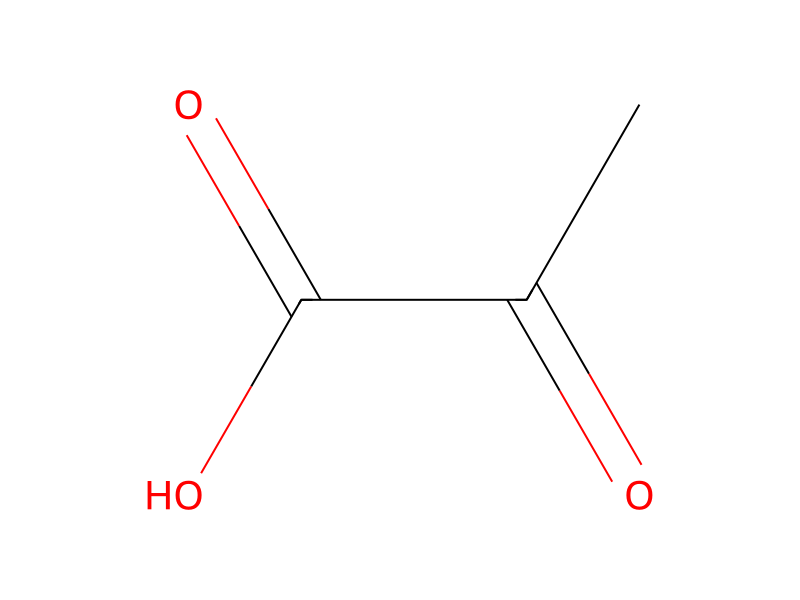
[NH2:1][C:2]1[CH:9]=[C:8]([NH2:10])[C:5]([CH:6]=O)=[CH:4][C:3]=1[CH:11]=O.O=[C:14]([CH3:18])[C:15]([OH:17])=[O:16].[OH-:19].[Na+].N>O.C(O)C>[N:10]1[C:8]2[C:5](=[CH:4][C:3]3[CH:11]=[CH:18][C:14]([C:15]([OH:16])=[O:19])=[N:1][C:2]=3[CH:9]=2)[CH:6]=[CH:18][C:14]=1[C:15]([OH:17])=[O:16]Participants
7
Reactant 4



Product 1

Reagents, catalysts & solvents 2


Conditions
- Temperature
- 80 °C
Procedure
To 4,6-diaminoisophthalaldehyde (1,64 g) and 2-oxopropionic acid (1.94 g), ethyl alcohol (40 cc) was added and 2N sodium hydroxide solution (12.8 cc) was added with stirring at 80° C. and allowed to react for 4 hours. Then, 2-oxopropionic acid (0.41 g) and 2N sodium hydroxide solution (3 cc) were added and refluxed for 2 hours. After the addition of 2N aqueous ammonia (50 cc) and water (130 cc) and heating and filtration, charcoal was added with stirring. Refiltration and pH adjustment to 4-5 by 0.6N hydrochloric acid and 0.3N acetic acid a5 70°-80° C. gave solid which is hard to dissolve.
Workup
- customto react for 4 hours
- temperaturerefluxed for 2 hours
- temperatureheating
- filtrationfiltration, charcoal
- additionwas added
- stirringwith stirring
- customby 0.6N hydrochloric acid and 0.3N acetic acid a5 70°-80° C.
- customgave solid which
- dissolutionto dissolve
Sources & evidence
- ORD record
- ord-d23a80b100dc400ab055776e591cf595
- Source dataset
- uspto-grants-1992_02
- Patent number
- US05091535
Reaction notes
Loading…