Acetic Anhydride → HCID 19909094, compound
Reaction equation

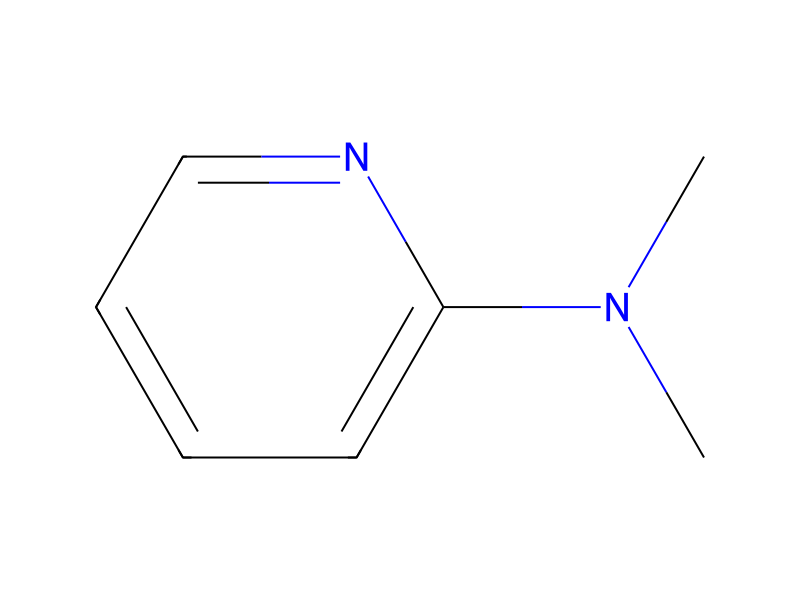
[C:1]1([S:7][C:8]2[C:9](=[O:20])[C:10]3[C:15]([C:16](=[O:19])[C:17]=2[CH3:18])=[CH:14][CH:13]=[CH:12][CH:11]=3)[CH:6]=[CH:5][CH:4]=[CH:3][CH:2]=1.C1CC=CCC=1.[C:27](OC(=O)C)(=[O:29])[CH3:28].CN(C1C=CC=CN=1)C.[O:43]1CC[CH2:45][CH2:44]1>[Pd].N1C=CC=CC=1>[C:1]1([S:7][C:8]2[C:17]([CH3:18])=[C:16]([O:19][C:27](=[O:29])[CH3:28])[C:15]3[C:10](=[CH:11][CH:12]=[CH:13][CH:14]=3)[C:9]=2[O:20][C:44](=[O:43])[CH3:45])[CH:2]=[CH:3][CH:4]=[CH:5][CH:6]=1Participants
8







Procedure
A solution of 2-phenylthio-3-methyl-1,4-naphthoquinone (28.0 g) and 10% palladium on charcoal (56 g) in tetrahydrofuran (1 L) was treated with 1,4-cyclohexadiene (80 mL), stirred overnight at room temperature. The mixture was then treated with a solution of acetic anhydride (40 mL), pyridine (40 mL) and dimethylaminopyridine (2.0 g) in tetrahydrofuran (100 mL), and stirred for 1 hour. Filtration to remove catalyst, followed by aqueous extraction workup as in Example 1, gave 2-phenylthio-3-methyl-1,4-diacetoxynaphthalene.
Workup
- stirringstirred for 1 hour
- filtrationFiltration
- customto remove catalyst
Sources & evidence
- ORD record
- ord-3aaf372112784cf7bcff4bf99214da8e
- Source dataset
- uspto-grants-1992_02
- Patent number
- US05091558
Reaction notes
Loading…