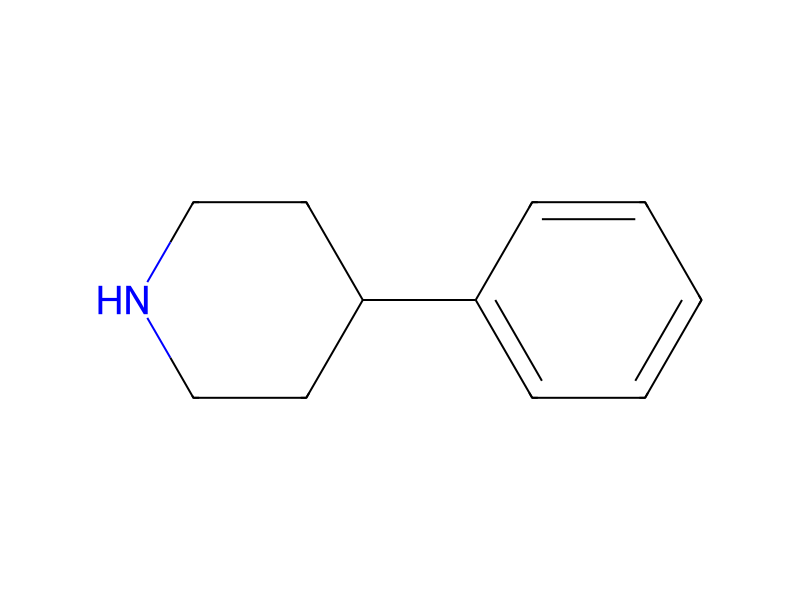
4-Phenylpiperidine → HCID 21559972, compound
Reaction equation

[C:1]([N:4]1[C:12]2[C:7](=[CH:8][C:9]([O:13][CH3:14])=[CH:10][CH:11]=2)[CH:6]([CH2:15][CH2:16]Br)[CH:5]1[CH3:18])(=[O:3])[CH3:2].[C:19]1([CH:25]2[CH2:30][CH2:29][NH:28][CH2:27][CH2:26]2)[CH:24]=[CH:23][CH:22]=[CH:21][CH:20]=1>>[C:1]([N:4]1[C:12]2[C:7](=[CH:8][C:9]([O:13][CH3:14])=[CH:10][CH:11]=2)[CH:6]([CH2:15][CH2:16][N:28]2[CH2:29][CH2:30][CH:25]([C:19]3[CH:24]=[CH:23][CH:22]=[CH:21][CH:20]=3)[CH2:26][CH2:27]2)[CH:5]1[CH3:18])(=[O:3])[CH3:2]Participants
3


Procedure
In the manner described in Example 1, treatment of 1-acetyl-3-(2-bromoethyl)-5-methoxy-2-methylindoline with 4-phenylpiperidine gives the product as an amorphous solid.
Sources & evidence
- ORD record
- ord-83294536779b40cbba805b338d6b1887
- Source dataset
- uspto-grants-1976_02
- Patent number
- US03936464
Reaction notes
Loading…