Oxygen → 3-(Chloromethyl)oxolane-2,5-dione
Reaction equation

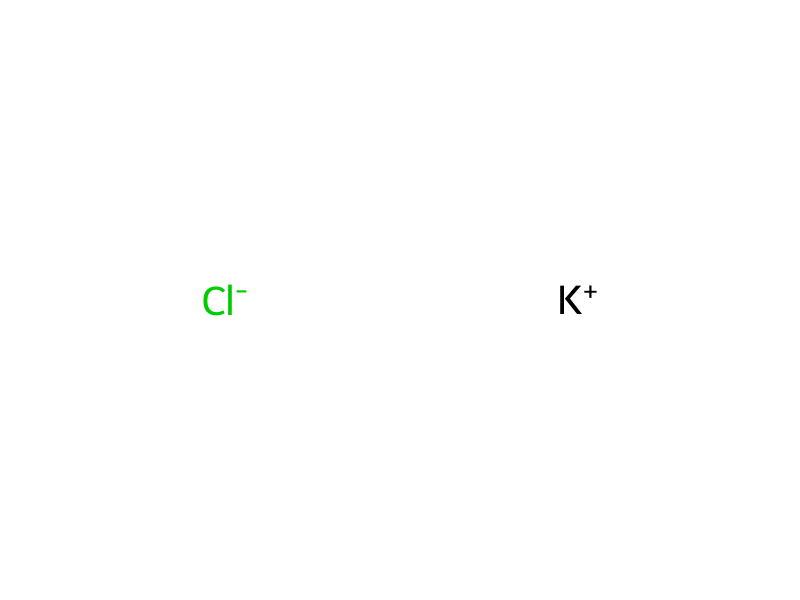
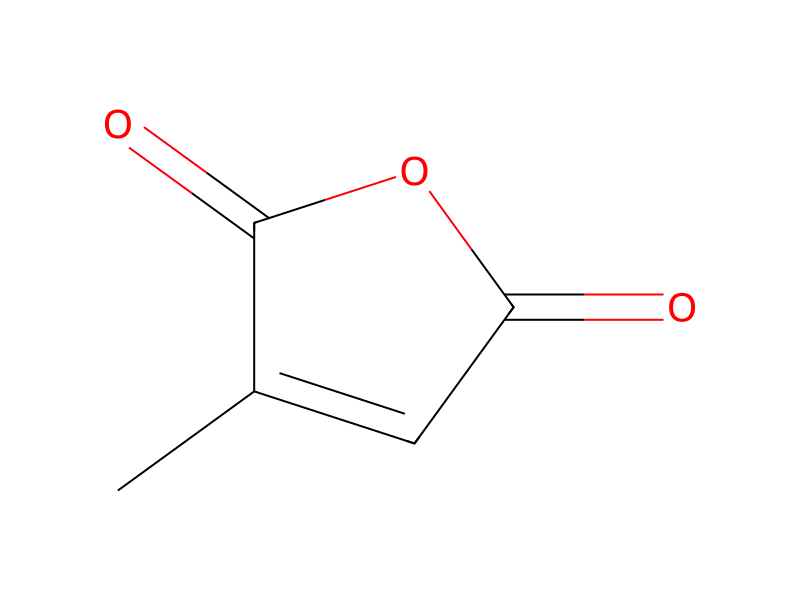
[Cl-:1].[K+].O=O.[C:5]1(=[O:12])[O:11][C:9](=[O:10])[CH:8]=[C:6]1[CH3:7].CC1CC(=O)OC1=O>O>[Cl:1][CH2:7][CH:6]1[CH2:8][C:9](=[O:10])[O:11][C:5]1=[O:12]Participants
Reactant 4


Product 1

Reagents, catalysts & solvents 1

Procedure
Next, the reacted gas was passed through a layer in a Pyrex tube (diameter: 2.5cm) packed with 20cc of an oxychlorinating catalyst comprising silica-alumina carrying 5% by weight of potassium chloride and 5% by weight of cupric chloride, at a temperature of 250°C while introducing oxygen in an amount of 1000cc/hour. The water generated was trapped in a vessel and the chlorine gas recovered was circulated, whereby the reaction was carried out for 2 hours. After completion of the reaction, the product was analyzed using gas chromatography, and it was confirmed that the product contained 7.4g of citraconic acid anhydride and 1.8g of methylsuccinic acid anhydride. In addition, a small amount of chloromethylsuccinic acid anhydride was formed.
Workup
- customNext, the reacted gas was passed through a layer in a Pyrex tube
- customthe chlorine gas recovered
- customAfter completion of the reaction
Sources & evidence
- ORD record
- ord-92d04c18692742eb8bad6d71f8b2af16
- Source dataset
- uspto-grants-1976_01
- Patent number
- US03931241
Reaction notes
Loading…