Chloral → HCID 86732906, compound
Reaction equation

[O:1]=[CH:2][C:3]([Cl:6])([Cl:5])[Cl:4].[Cl:7][C:8]1[CH:13]=[CH:12][C:11]([N:14]=[C:15]=[O:16])=[CH:10][CH:9]=1.[CH2:17]([N:23]=[C:24]=[O:25])[CH2:18][CH2:19][CH2:20][CH2:21][CH3:22].C1(P(C2C=CC=CC=2)C2C=CC=CC=2)C=CC=CC=1>C1C=CC=CC=1>[O:1]=[CH:2][C:3]([Cl:6])([Cl:5])[Cl:4].[Cl:7][C:8]1[CH:13]=[CH:12][C:11]([N:14]=[C:15]=[O:16])=[CH:10][CH:9]=1.[CH2:17]([N:23]=[C:24]=[O:25])[CH2:18][CH2:19][CH2:20][CH2:21][CH3:22]Participants
6
Reactant 4

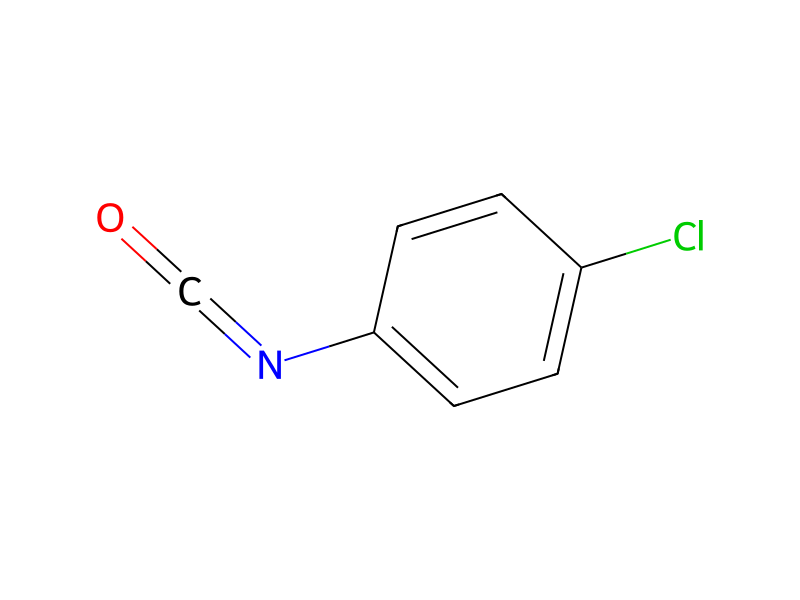


Product 1

Reagents, catalysts & solvents 1

Procedure
The procedure of Example 82 was repeated using a mixture of 140 ml. chloral, 7 ml. p-chlorophenyl isocyanate, 2ml. hexyl isocyanate and 6.0 ml. of 1 molar solution of triphenylphosphine in benzene. A tough, clear sheet of chloral/p-chlorophenyl isocyanate/hexyl isocyanate terpolymer was obtained.
Workup
- additiona mixture of 140 ml
Sources & evidence
- ORD record
- ord-794e2819fefc4618a020ff028371aa0b
- Source dataset
- uspto-grants-1976_01
- Patent number
- US03932318
Reaction notes
Loading…