Acetic Acid → HCID 21564649, compound
Reaction equation

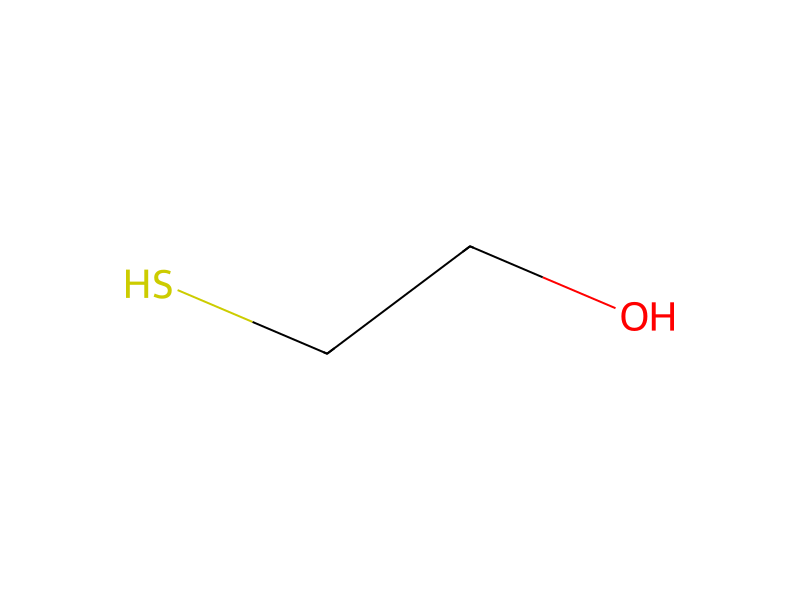
[Cl:1][C:2]1[CH:3]=[CH:4][C:5]2[NH:11][CH2:10][CH2:9][N:8]=[C:7]([C:12]3[CH:17]=[CH:16][CH:15]=[CH:14][CH:13]=3)[C:6]=2[CH:18]=1.ClC1C=CC2N=CCN=C(C3C=CC=CC=3)C=2C=1.C(O)(=O)C.[SH:41][CH2:42][CH2:43][OH:44]>C1COCC1>[Cl:1][C:2]1[CH:3]=[CH:4][C:5]2[NH:11][CH:10]([S:41][CH2:42][CH2:43][OH:44])[CH2:9][N:8]=[C:7]([C:12]3[CH:17]=[CH:16][CH:15]=[CH:14][CH:13]=3)[C:6]=2[CH:18]=1Participants
6
Reactant 4



Product 1

Reagents, catalysts & solvents 1

Procedure
7-chloro-2,3-dihydro-5-phenyl-1H-1,4-benzodiazepine (10 g) was oxidized to 7-chloro-5-phenyl-3H-1,4-benzodiazepine as described in Example 1 with the addition of 0.1 ml of acetic acid. The crude oxidation product was taken up in THF (60 ml), treated with 2-mercaptoethanol (10 ml ) and heated under reflux overnight. The resulting solution was concentrated under reduced pressure until the product began to crystallize and then diluted with 100 ml of ether. The product was collected and washed with ether to give the above-named product as colorless crystals, mp 135°-140° (dec).
Workup
- temperatureheated
- temperatureunder reflux overnight
- concentrationThe resulting solution was concentrated under reduced pressure until the product
- customto crystallize
- additiondiluted with 100 ml of ether
- customThe product was collected
- washwashed with ether
Sources & evidence
- ORD record
- ord-f1aaf2d876ba49a9ad4bd27d8f2fb52e
- Source dataset
- uspto-grants-1976_01
- Patent number
- US03932399
Reaction notes
Loading…