Hydrochloric Acid → HCID 21562198, compound
Reaction equation

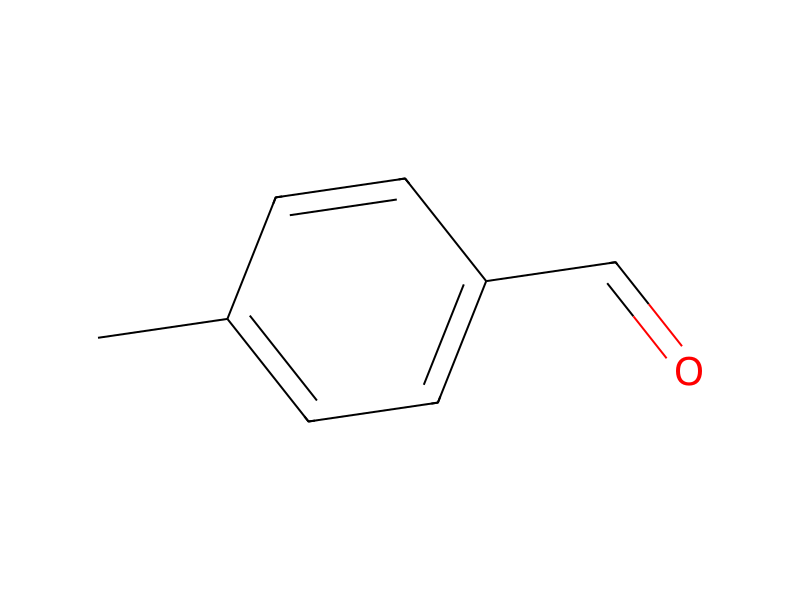
[C:1]1([CH3:9])[CH:6]=[CH:5][C:4]([CH:7]=[O:8])=[CH:3][CH:2]=1.[CH3:10][C:11]1([CH3:20])[NH:17][C:16]([CH3:19])([CH3:18])[CH2:15][C:13](=[O:14])[CH2:12]1.C([Li])CCC.Cl>CCCCCC.CCOCC>[OH:8][CH:7]([CH:15]1[C:13](=[O:14])[CH2:12][C:11]([CH3:20])([CH3:10])[NH:17][C:16]1([CH3:19])[CH3:18])[C:4]1[CH:5]=[CH:6][C:1]([CH3:9])=[CH:2][CH:3]=1Participants
7






Procedure
To a mixture of 12g. of p-tolualdehyde, 15.5 g. of triacetone amine and 50 ml. of anhydrous ether was added dropwise 42.6g. of butyl lithium (as a 15% solution in n-hexane) at -50° to -60°C. under a nitrogen gas stream. After completion of the dropwise addition, the mixture was stirred at room temperature for 3 hours. Then, the reaction mixture was poured into 5% dilute hydrochloric acid with ice-cooling. The aqueous layer was separated and saturated with potassium carbonate. Then, the ether layer was separated and concentrated to yield crude crystalline mass. The mass was recrystallized from benzene to give the desired product as white crystals having a decomposition point of 160° - 161°C.
Workup
- customat -50° to -60°C.
- additionAfter completion of the dropwise addition
- temperaturecooling
- customThe aqueous layer was separated and saturated with potassium carbonate
- customThen, the ether layer was separated
- concentrationconcentrated
- customto yield crude crystalline mass
- customThe mass was recrystallized from benzene
Sources & evidence
- ORD record
- ord-5516064907b8436880a5f3e504fefb09
- Source dataset
- uspto-grants-1976_01
- Patent number
- US03933735
Reaction notes
Loading…