1-Bromooctane → 2,7-Dibromo-9,9-di-n-octylfluorene
Reaction equation

[Br:1][C:2]1[CH:14]=[CH:13][C:12]2[C:11]3[C:6](=[CH:7][C:8]([Br:15])=[CH:9][CH:10]=3)[CH2:5][C:4]=2[CH:3]=1.[CH2:16](Br)[CH2:17][CH2:18][CH2:19][CH2:20][CH2:21][CH2:22][CH3:23]>>[Br:1][C:2]1[CH:14]=[CH:13][C:12]2[C:11]3[C:6](=[CH:7][C:8]([Br:15])=[CH:9][CH:10]=3)[C:5]([CH2:13][CH2:14][CH2:2][CH2:3][CH2:4][CH2:12][CH2:11][CH3:10])([CH2:16][CH2:17][CH2:18][CH2:19][CH2:20][CH2:21][CH2:22][CH3:23])[C:4]=2[CH:3]=1Participants
3
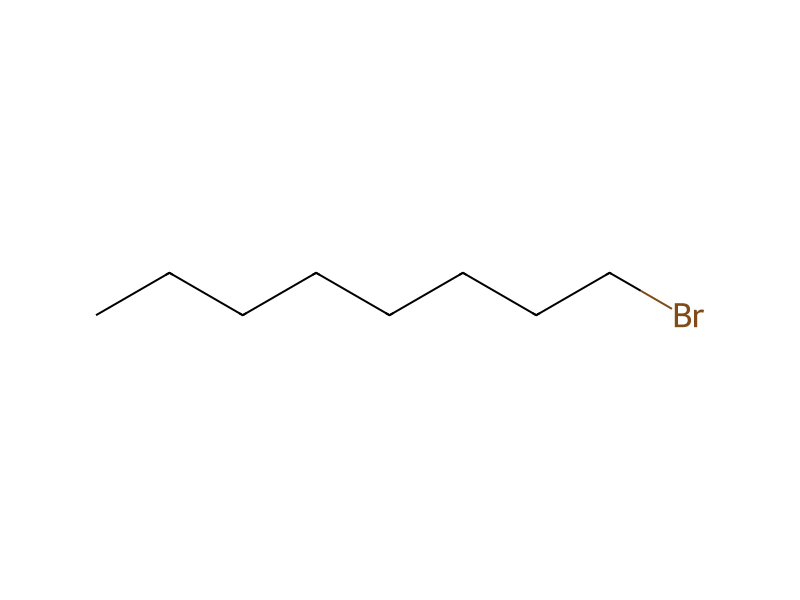


Procedure
This compound was prepared from 2,7-dibromofluorene and n-octyl bromide, using a similar procedure as described in Example III. The product was obtained in an 85% yield as colorless crystals.
Workup
- customThe product was obtained in an 85% yield as colorless crystals
Sources & evidence
- ORD record
- ord-339313ea8ea641e99aca8860cdb54b1b
- Source dataset
- uspto-grants-2004_05
- Patent number
- US06730417B2
Reaction notes
Loading…