Hydrochloric Acid → HCID 22717393, compound
Reaction equation

[CH3:1][O:2][C:3]1[CH:4]=[C:5]2[C:9](=[CH:10][C:11]=1[O:12][CH3:13])[N:8]([C:14]1[CH:19]=[CH:18][C:17]([N+:20]([O-])=O)=[CH:16][N:15]=1)[CH2:7][CH2:6]2.[H][H].[ClH:25]>C(O)C.O.[Pd]>[ClH:25].[CH3:1][O:2][C:3]1[CH:4]=[C:5]2[C:9](=[CH:10][C:11]=1[O:12][CH3:13])[N:8]([C:14]1[N:15]=[CH:16][C:17]([NH2:20])=[CH:18][CH:19]=1)[CH2:7][CH2:6]2Participants
6





Procedure
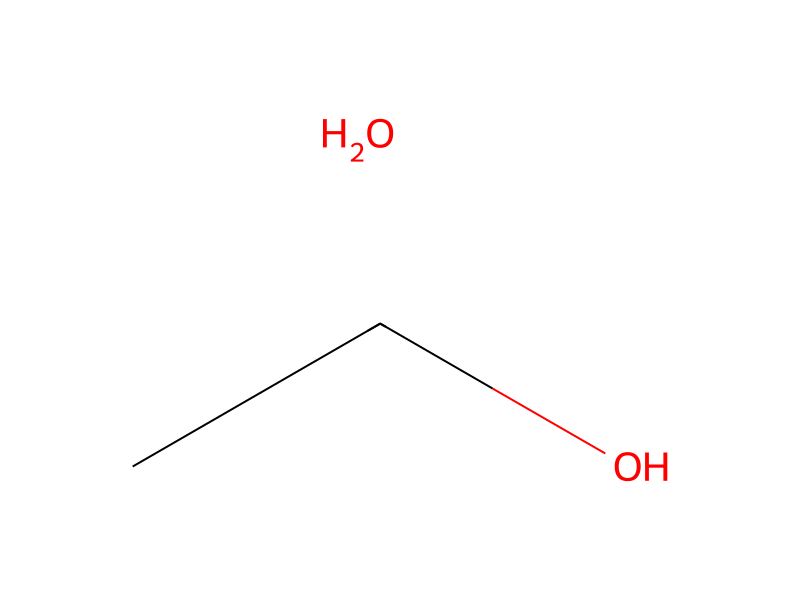
5,6-Dimethoxy-1-(5-nitro-(2-pyridyl))-indoline was hyrogenated overnight with Pd (5%) on carbon in ethanol/water (8:2) in a shaking “duck”. When the uptake of hydrogen had come to an end, 10% hydrochloric acid was added, the catalyst was filtered off and the remainder was concentrated to dryness. The residue was recrystallized with ethanol and active carbon. The product 6-(5,6-dimethoxyindolin-1-yl)-3-pyridylamine hydrochloride was obtained in a yield of 70.8% (melting point: 168-171° C.).
Workup
- additionwas added
- filtrationthe catalyst was filtered off
- concentrationthe remainder was concentrated to dryness
- customThe residue was recrystallized with ethanol and active carbon
Sources & evidence
- ORD record
- ord-27f8cd5bede04ea2a4909a006e6ebe07
- Source dataset
- uspto-grants-2004_05
- Patent number
- US06736862B2
Reaction notes
Loading…