Tetrahydrofuran → HCID 22717709, compound
Reaction equation

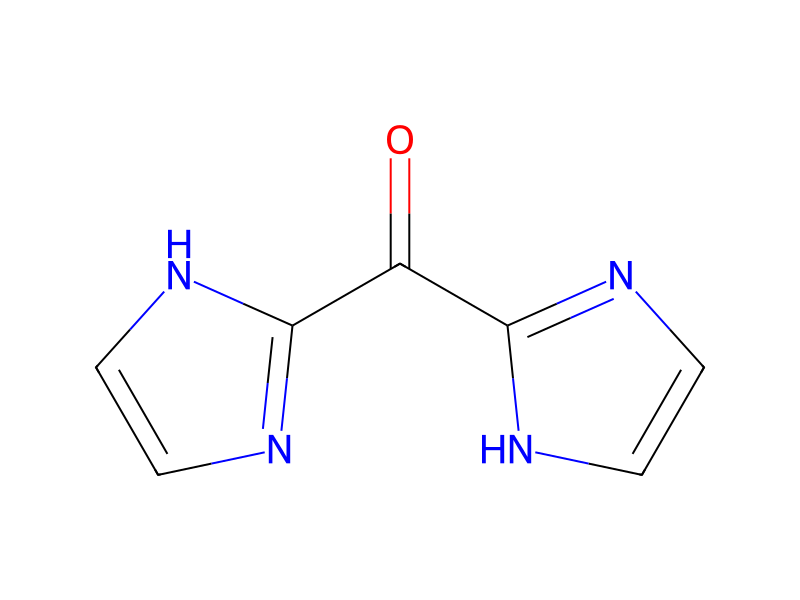
[CH3:1][C:2]1[CH:7]=[CH:6][CH:5]=[C:4]([CH3:8])[C:3]=1[N:9](O)[C:10]([NH2:12])=[O:11].[C:14](C1NC=CN=1)(C1NC=CN=1)=[O:15].[O:26]1CCCC1>>[CH3:1][C:2]1[CH:7]=[CH:6][CH:5]=[C:4]([CH3:8])[C:3]=1[N:9]1[C:14](=[O:15])[O:26][NH:12][C:10]1=[O:11]Participants



Procedure
A 300 mL flask with side arm equipped with a nitrogen inlet and a thermometer was charged with 25 mL of tetrahydrofuran followed by 5.00 g (0.0277 mol) of 2,6-dimethylphenyl hydroxyurea. To this stirred suspension was added portion-wise 4.41 g (0.0277 mol) of carbonyl diimidazole over 5 min. While stirring at room temperature, the suspension turned into a solution before precipitate started to form slowly. After 18 h, the mixture was quenched with 50 mL of 1N HCl which caused the suspension to turn into a solution. It was partitioned between ethyl acetate (250 mL) and 1N HCl (50 mL). The organic layer was separated and washed with brine, then dried over MgSO4 and filtered. The solvent was removed under reduced pressure to give the title compound as a red oil (5.20 g) which slowly crystallized upon standing at room temperature to give a solid melting at 90-100° C.
Workup
- customA 300 mL flask with side arm equipped with a nitrogen inlet
- customto form slowly
- customthe mixture was quenched with 50 mL of 1N HCl which
- customIt was partitioned between ethyl acetate (250 mL) and 1N HCl (50 mL)
- customThe organic layer was separated
- washwashed with brine
- dry with materialdried over MgSO4
- filtrationfiltered
- customThe solvent was removed under reduced pressure
Sources & evidence
- ORD record
- ord-ac30176f95a34637be77de022e27991e
- Source dataset
- uspto-grants-2004_05
- Patent number
- US06737383B1
Reaction notes
Loading…