Borane → 3-Pyridinehexanamine
Reaction equation

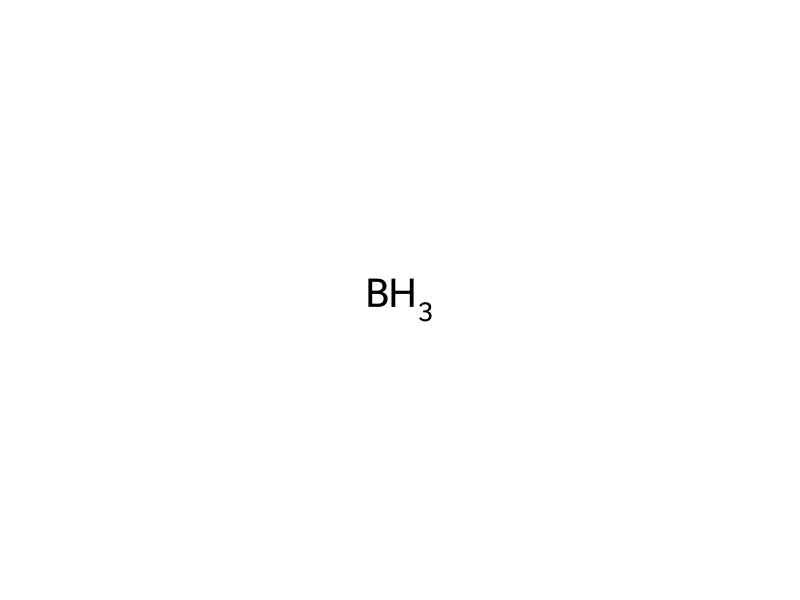
[N:1]1[CH:6]=[CH:5][CH:4]=[C:3]([CH2:7][CH2:8][CH2:9][CH2:10][CH2:11][C:12]([NH2:14])=O)[CH:2]=1.B>O1CCCC1>[N:1]1[CH:6]=[CH:5][CH:4]=[C:3]([CH2:7][CH2:8][CH2:9][CH2:10][CH2:11][CH2:12][NH2:14])[CH:2]=1Participants
4
Reactant 2

Product 1

Reagents, catalysts & solvents 1

Procedure
To an ice-cold solution of 16.27 g of 3-pyridinehexanamide in 250 ml of dry tetrahydrofuran was added 300 ml of a 1M solution of borane in tetrahydrofuran. The mixture was heated to reflux over night, cooled, quenched with water, and made strongly acidic with 6N hydrochloric acid solution. The acidic solution was allowed to stand over night, made basic with sodium hydroxide solution, and was extracted with 3×150 ml of dichloromethane. The combined organic layers were dried over potassium carbonate, evaporated, and the residue was distilled to give 10.20 g (68%) of 3-pyridinehexanamine, bp 140°-150° C./0.2 mm.
Workup
- temperatureThe mixture was heated
- temperatureto reflux over night
- temperaturecooled
- customquenched with water
- waitto stand over night
- extractionwas extracted with 3×150 ml of dichloromethane
- dry with materialThe combined organic layers were dried over potassium carbonate
- customevaporated
- distillationthe residue was distilled
Sources & evidence
- ORD record
- ord-6bac5f17b6d247f48cf0c37d4667f55d
- Source dataset
- uspto-grants-1985_11
- Patent number
- US04551460
Reaction notes
Loading…