N-vinyl-2-pyrrolidone → 1-Vinylimidazole
Reaction equation

C(N1CCCC1=O)=C.[CH2:9]=[CH:10][N:11]1[C:15](=[O:16])[N:14]([CH:17]=[CH2:18])[CH2:13][CH2:12]1.[OH-].[Na+].S(S([O-])=O)([O-])=O.[Na+].[Na+]>O>[CH:10]([N:11]1[CH:12]=[CH:13][N:14]=[CH:15]1)=[CH2:9].[CH2:9]=[CH:10][N:11]1[C:15](=[O:16])[N:14]([CH:17]=[CH2:18])[CH2:13][CH2:12]1Participants
7
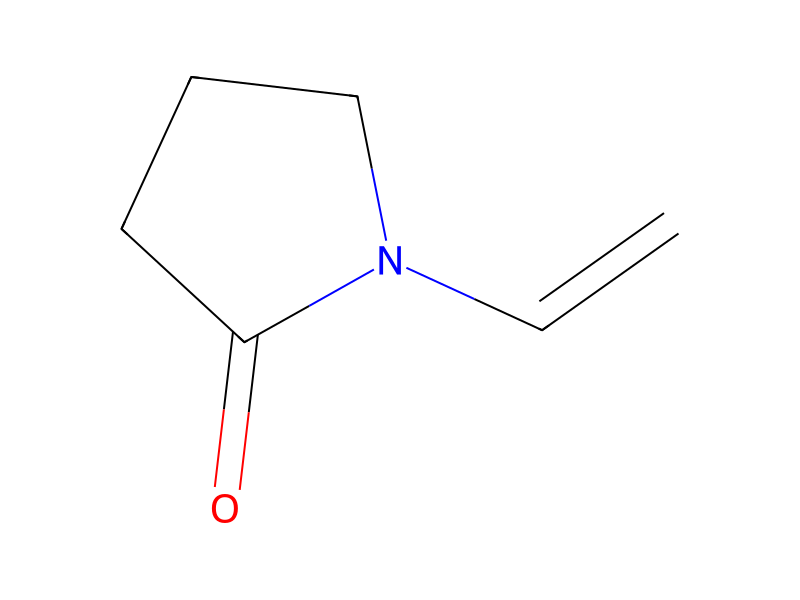

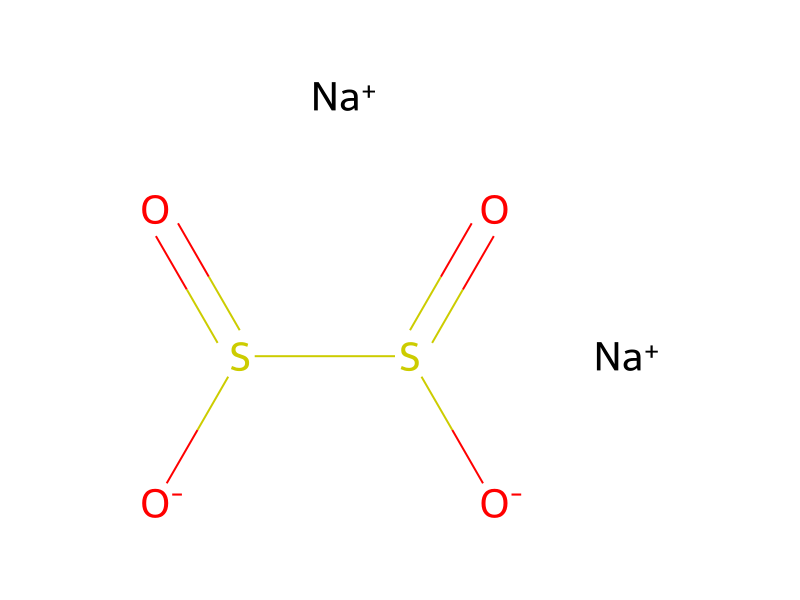



Conditions
- Temperature
- 60 °C
Procedure
A mixture of 4 parts of N-vinylpyrrolidone, 0.1 part of N,N'-divinylethyleneurea (DVEU), 50 parts of water and 0.5 part of 5% strength sodium hydroxide solution was placed in a stirred vessel and heated to 60° C. in a stream of nitrogen. 0.01 part of sodium dithionite was added and the mixture was stirred at 70° C. for 1 h. A suspension was obtained into which a solution of 37 parts of N-vinylimidazole and 1.2 parts of DVEU in 50 parts of water was metered over a period of 3 hours. The mixture was subsequently polymerized at 70° C. for 2 hours. The product was worked up by washing on a suction filter, rinsing with water and drying at 60° C. in a convection oven, to give fine white particles in a yield of 95%.
Workup
- customwas placed in a stirred vessel
Sources & evidence
- ORD record
- ord-b21953bf7fd84dbfbda5dcb3a506ff7f
- Source dataset
- uspto-grants-1999_08
- Patent number
- US05939469
Reaction notes
Loading…