Pyridine → HCID 178478288, compound
Reaction equation

[Br:1][C:2]1[CH:3]=[C:4]([C:9]2[CH:13]=[CH:12][NH:11][N:10]=2)[CH:5]=[C:6]([Br:8])[CH:7]=1.N1C=CC=CC=1.S(Cl)([Cl:23])(=O)=O>ClCCCl>[Cl:23][C:13]1[C:9]([C:4]2[CH:3]=[C:2]([Br:1])[CH:7]=[C:6]([Br:8])[CH:5]=2)=[N:10][NH:11][CH:12]=1Participants
5
Reactant 3

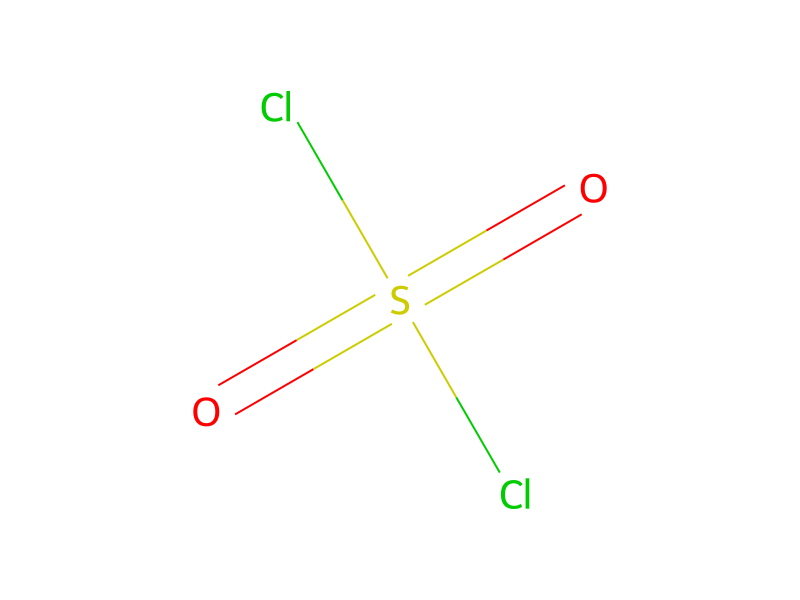

Product 1

Reagents, catalysts & solvents 1

Procedure
4 g (0.0132 mol) of 3-(3,5-dibromophenyl)pyrazole and 1 g of pyridine (0.0132 mol) are dissolved, at room temperature and with stirring, in 50 ml of 1,2-dichloroethane. 2 g (0.0145 mol) of sulphuryl chloride in 10 ml of 1,2-dichloroethane are then added dropwise at 50° C. and stirring is then continued for 30 min days at this temperature. After cooling, the precipitate is filtered and recrystallised from 200 ml of 1,2-dichloroethane. 2.9 g (yield: 66%; melting point: 188° C.) of 4-chloro-3-(3,5-dibromophenyl)pyrazole are obtained.
Workup
- temperatureAfter cooling
- filtrationthe precipitate is filtered
- customrecrystallised from 200 ml of 1,2-dichloroethane
Sources & evidence
- ORD record
- ord-bb5a7481329a4a35acbcced4eba7f07f
- Source dataset
- uspto-grants-1999_08
- Patent number
- US05945382
Reaction notes
Loading…