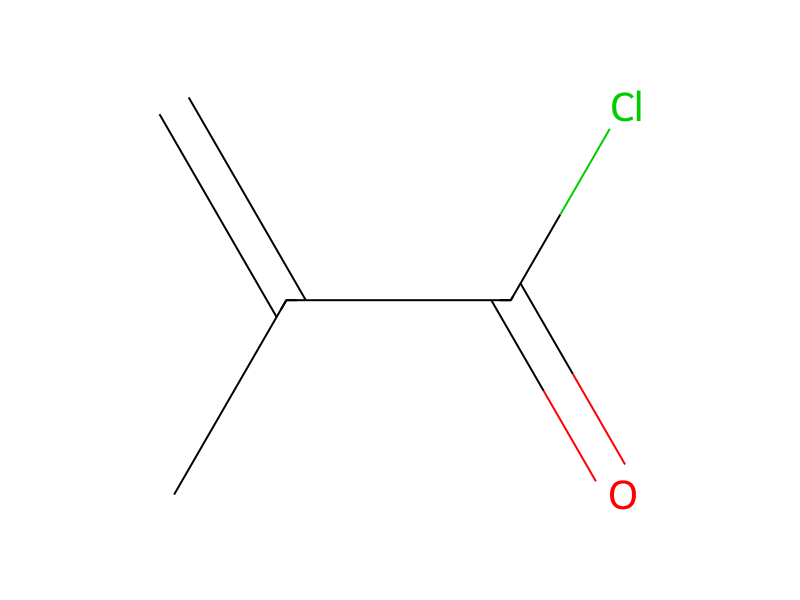
Methacryloyl chloride → HCID 21216971, compound
Reaction equation

[C:1]([C:5]1[N:13]=[C:12]2[C:8]([NH:9][CH:10]=[N:11]2)=[C:7]([NH2:14])[N:6]=1)(=[O:4])[CH:2]=[CH2:3].[C:15](Cl)(=O)C(C)=C>>[C:1]([C:5]1[N:13]=[C:12]2[C:8]([NH:9][CH:10]=[N:11]2)=[C:7]([NH2:14])[N:6]=1)(=[O:4])[C:2]([CH3:15])=[CH2:3]Participants
3


Procedure
All procedural steps and molar ratios were the same as those for the preparation of acryloyladenine, except that methacryloyl chloride was used instead of acryloyl chloride. The yield of MAD was 85%. The IR spectra showed the same bands as the IR spectra of AAD.
Sources & evidence
- ORD record
- ord-ca02235b9a554766925fdd4a6280bcc3
- Source dataset
- uspto-grants-1999_08
- Patent number
- US05945457
Reaction notes
Loading…