Dichloromethane → HCID 15870897, compound
Reaction equation

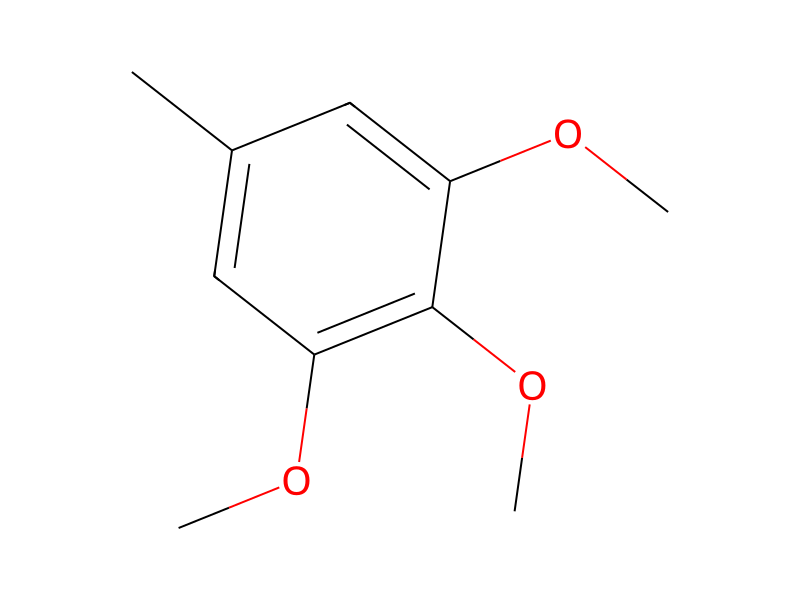
[CH3:1][O:2][C:3]1[CH:4]=[C:5]([CH3:13])[CH:6]=[C:7]([O:11][CH3:12])[C:8]=1[O:9][CH3:10].[Br:14][C:15]1[CH:16]=[CH:17][C:18]([O:25][CH3:26])=[C:19]([C:23]=1[Cl:24])[C:20](Cl)=[O:21].[Cl-].[Al+3].[Cl-].[Cl-].ClCCl>C(OCC)(=O)C.O>[Br:14][C:15]1[CH:16]=[CH:17][C:18]([O:25][CH3:26])=[C:19]([C:23]=1[Cl:24])[C:20]([C:4]1[C:5]([CH3:13])=[CH:6][C:7]([O:11][CH3:12])=[C:8]([O:9][CH3:10])[C:3]=1[O:2][CH3:1])=[O:21]Participants
7






Procedure
A mixture of 3,4,5-trimethoxytoluene (0.83 g; 4.6 mmol), 4C (4.6 mmol), aluminium chloride (0.62 g, 4.6 mmol) and dichloromethane (20 ml) is stirred at room temperature for 3 hours. A mixture of water and ethyl acetate (1:1 v/v; 50 ml) is then added. The organic phase is concentrated and the residue is crystallized from diisopropylether and recrystallized from methanol. The solid material is collected by vacuum filtration, washed with water and dried yielding yellow crystals, 0.7 g, (35.4% y) mp 87-88° C.
Workup
- additionis then added
- concentrationThe organic phase is concentrated
- customthe residue is crystallized from diisopropylether
- customrecrystallized from methanol
- filtrationThe solid material is collected by vacuum filtration
- washwashed with water
- customdried
- customyielding yellow crystals, 0.7 g, (35.4% y) mp 87-88° C.
Sources & evidence
- ORD record
- ord-b981ef0ec75a43c4852af3007d84c42a
- Source dataset
- uspto-grants-1999_08
- Patent number
- US05945567
Reaction notes
Loading…