Hydrochloric Acid → 2-Diphenylphosphorylamino-4-trichloromethylpyridine
Reaction equation

[C:1]1([P:7](Cl)([C:9]2[CH:14]=[CH:13][CH:12]=[CH:11][CH:10]=2)=[O:8])[CH:6]=[CH:5][CH:4]=[CH:3][CH:2]=1.[NH2:16][C:17]1[CH:22]=[C:21]([C:23]([Cl:26])([Cl:25])[Cl:24])[CH:20]=[CH:19][N:18]=1.Cl>>[C:1]1([P:7]([NH:16][C:17]2[CH:22]=[C:21]([C:23]([Cl:25])([Cl:24])[Cl:26])[CH:20]=[CH:19][N:18]=2)([C:9]2[CH:14]=[CH:13][CH:12]=[CH:11][CH:10]=2)=[O:8])[CH:6]=[CH:5][CH:4]=[CH:3][CH:2]=1Participants
4

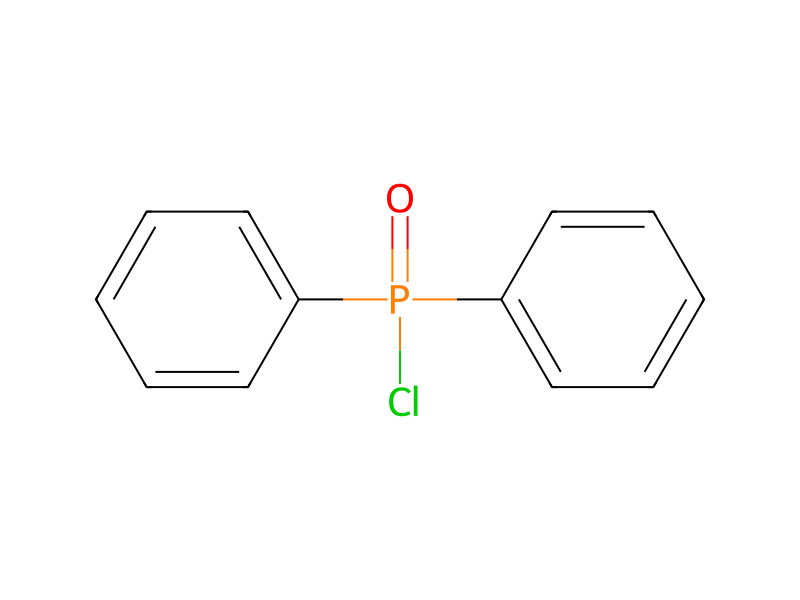


Procedure
6.2 ml (0.03 mol) of diphenylphosphoryl chloride were added to 6.3 g (0.03 mol) of 2-amino -4trichloromethylpyridine and 60 ml of pryidine at 0° C. After 12 hours at 25° C., the reaction mixture was added to 200 ml of 5% strength hydrochloric acid. The colorless precipitate formed was isolated. 7.0 g (53%) of the desired product were obtained. Mp.: 134°-136° C.; Active Ingredient Example 1.016
Workup
- customThe colorless precipitate formed
- customwas isolated
Sources & evidence
- ORD record
- ord-f4d77332f8ca4055bb4724aa2dbf5172
- Source dataset
- uspto-grants-1993_06
- Patent number
- US05216171
Reaction notes
Loading…