Water → C-(1-Benzyl-4-phenyl-piperazin-2-yl)-methylamine
Reaction equation

[C:1]1([N:7]2[CH2:12][CH2:11][N:10]([CH2:13][C:14]3[CH:19]=[CH:18][CH:17]=[CH:16][CH:15]=3)[CH:9]([C:20]([NH2:22])=O)[CH2:8]2)[CH:6]=[CH:5][CH:4]=[CH:3][CH:2]=1.[H-].[Al+3].[Li+].[H-].[H-].[H-].O.[OH-].[Na+]>O1CCCC1.C(Cl)Cl.CO>[C:1]1([N:7]2[CH2:12][CH2:11][N:10]([CH2:13][C:14]3[CH:19]=[CH:18][CH:17]=[CH:16][CH:15]=3)[CH:9]([CH2:20][NH2:22])[CH2:8]2)[CH:6]=[CH:5][CH:4]=[CH:3][CH:2]=1Participants
7
Reactant 4




Product 1

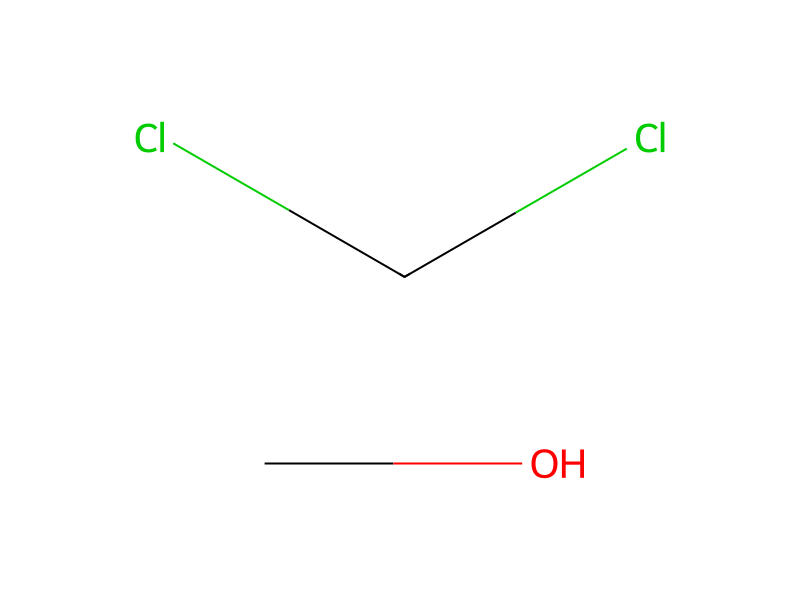
Reagents, catalysts & solvents 2

Procedure
To 4-phenyl-1-(phenylmethyl)-2-piperazinecarboxamide (28.5 g, 96 mmol) dissolved in tetrahydrofuran (220 mL) add lithium aluminum hydride (9.0 g, 0.24 mol) portionwise. Stir and heat the reaction to reflux. Monitor the progress of the reaction by thin-layer chromatography. Upon completion, slowly add water (9 mL), 2N NaOH (9 ml), and H2O (27 mL). Suction filter the slurry through celite and wash the pad with ethyl acetate (500 mL). Remove the solvent in vacuo to give a brown oil. Flash chromatograph the oil on silica (400 g) with 19/1 CH2Cl2 /MeOH to give the title compound.
Workup
- temperatureheat
- customthe reaction
- temperatureto reflux
- customMonitor the progress of the reaction by thin-layer chromatography
- filtrationSuction filter the slurry through celite
- washwash the pad with ethyl acetate (500 mL)
- customRemove the solvent in vacuo
- customto give a brown oil
Sources & evidence
- ORD record
- ord-7b5211e729524e96b1db4125f7043490
- Source dataset
- uspto-grants-1993_06
- Patent number
- US05223623
Reaction notes
Loading…