Sodium Carbonate → ACRYLAMIDO BUFFER
Reaction equation

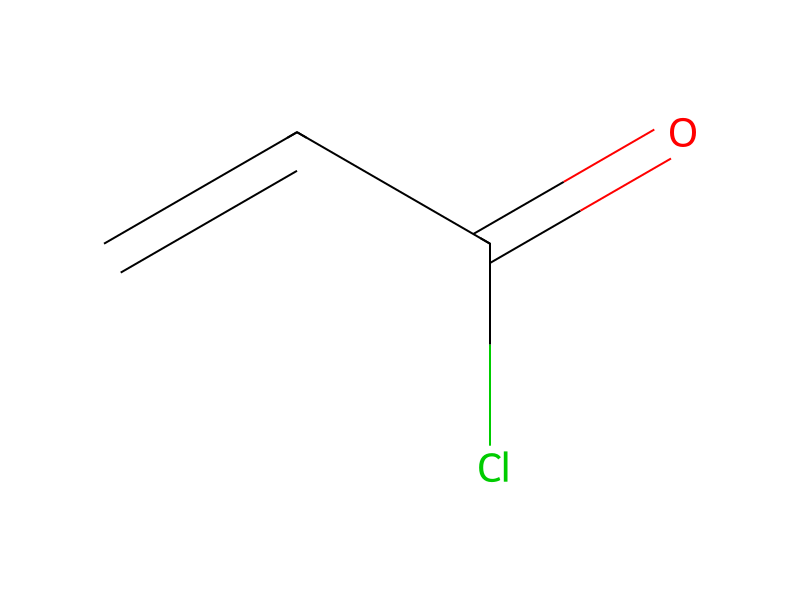
[C:1](Cl)(=[O:4])[CH:2]=[CH2:3].[CH3:6][N:7]1[CH2:12][CH2:11][NH:10][CH2:9][CH2:8]1.CN1CCNCC1.C(Cl)Cl.C(=O)([O-])[O-].[Na+].[Na+]>C(Cl)Cl>[C:1]([N:10]1[CH2:11][CH2:12][N:7]([CH3:6])[CH2:8][CH2:9]1)(=[O:4])[CH:2]=[CH2:3]Participants
Reactant 4



Product 1

Reagents, catalysts & solvents 1

Procedure
A mixture of acryloyl chloride (102.0 g, 1.13 moles) in methylene chloride (100 ml) was added dropwise into a solution of N-methyl piperazine (86.0 g, 0.86 moles) in methylene chloride (450 ml) over a period of one hour. During the addition, the temperature of the N-methyl piperazine/methylene chloride solution was kept below 25° C. After the addition was complete, the reaction mixture was stirred at room temperature for two hours. The reaction mixture was neutralized with 260 g of 17% sodium carbonate solution. The organic layer containing the crude product was separated from the aqueous layer via a separatory funnel. The aqueous layer was washed well with methylene chloride. Combination of the organic phases and rotoevaporation of the solvent yielded 100.0 grams of crude product. Distillation of the crude product yielded a fraction (74°-78° C.,/5 mm Hg) that was >98.0% pure by G.C. analysis. 13C NMR and IR analysis gave spectra consistent with the title compound.
Workup
- additionDuring the addition
- customwas kept below 25° C
- additionAfter the addition
- customwas separated from the aqueous layer via a separatory funnel
- washThe aqueous layer was washed well with methylene chloride
- customCombination of the organic phases and rotoevaporation of the solvent yielded 100.0 grams of crude product
- distillationDistillation of the crude product
- customyielded a fraction (74°-78° C.,/5 mm Hg) that
Sources & evidence
- ORD record
- ord-7b770ea69a174cbbb62375f9c58826fb
- Source dataset
- uspto-grants-1986_02
- Patent number
- US04568721
Reaction notes
Loading…