Sulfuric Acid → 4-(Chloromethyl)-2-methyl-1,3-thiazole
Reaction equation

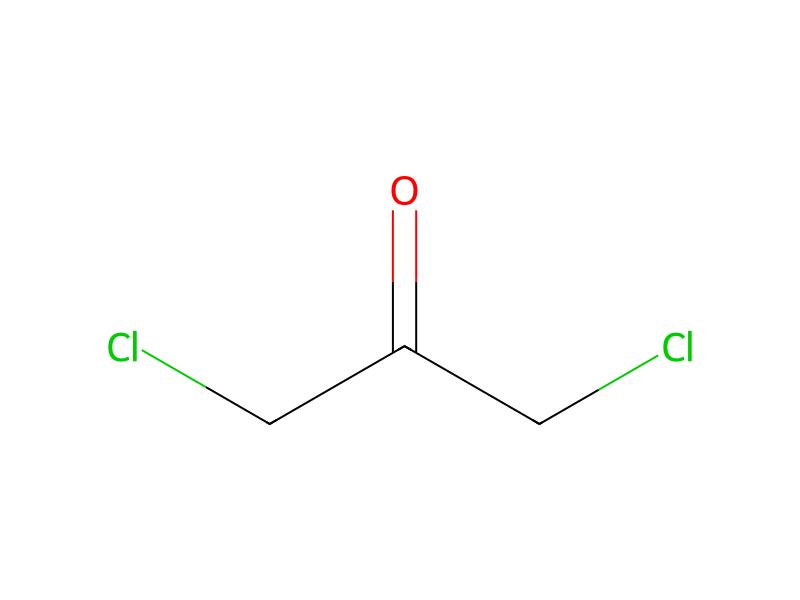
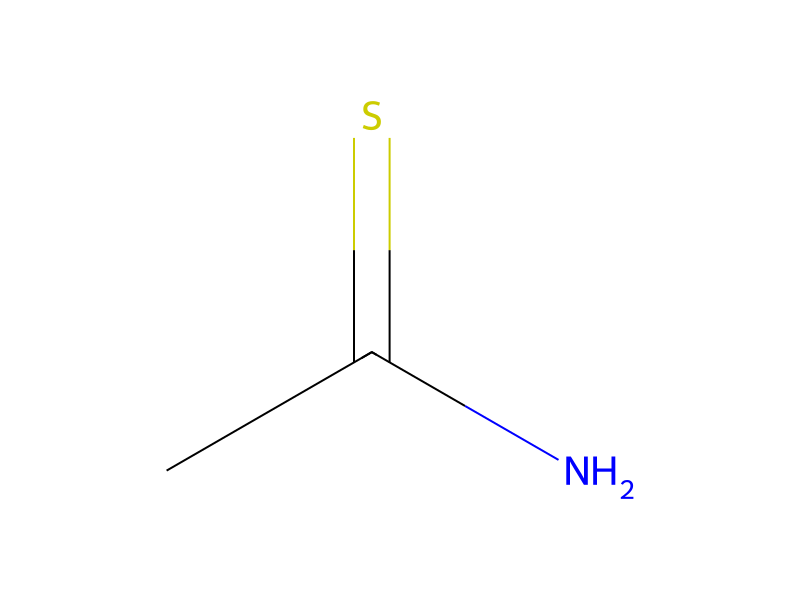
Cl[CH2:2][C:3](CCl)=[O:4].[C:7]([NH2:10])(=[S:9])[CH3:8].[Cl:11][CH2:12][C:13]1[N:14]=[C:15]([CH3:18])[S:16][CH:17]=1.S(=O)(=O)(O)[OH:20]>[O-2].[O-2].[Mn+4]>[Cl:11][CH2:12][C:13]1[N:14]=[C:15]([CH3:18])[S:16][CH:17]=1.[CH2:3]([O:4][C:12]([C:13]1[N:14]=[C:15]2[C:18](=[N:10][CH:7]([CH3:8])[S:9]2)[CH:17]=1)=[O:20])[CH3:2]Participants
7
Reactant 4


Product 2

Reagents, catalysts & solvents 1
Procedure
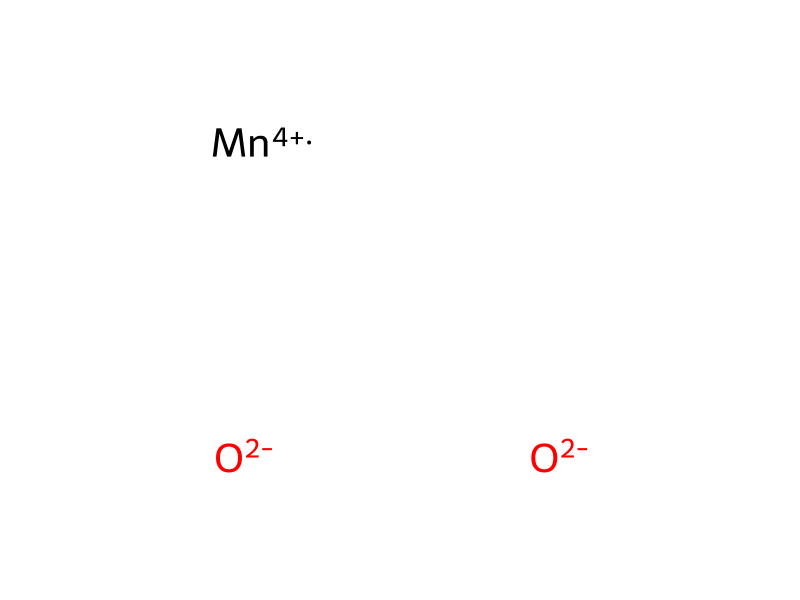
According to the description in J. Heterocyclic Chem., 1979, 16, 1563, 4-chloromethyl-2-methylthiazole was synthesized with 1,3-dichloroacetone and thioacetamide as starting materials. The above-obtained 4-chloromethyl-2-methylthiazole was converted to a 4-hydroxymethyl body by dilute sulfuric acid, and then introduced into a 4-formyl body by oxidation of manganese dioxide (yield to this point: 62%). 5-Ethoxycarbonyl-2-methylpyrrolo[3,2-d]thiazole was obtained by making ethyl azidoacetate act on the above product in the presence of sodium ethoxide and further heating in xylene (yield: 31%).
Workup
- customyield to this point
Sources & evidence
- ORD record
- ord-a23de3ee6d5646ebb9448c6e78184d51
- Source dataset
- uspto-grants-2007_11
- Patent number
- US07291449B2
Reaction notes
Loading…