Isobutylene → HCID 21707225, compound
Reaction equation

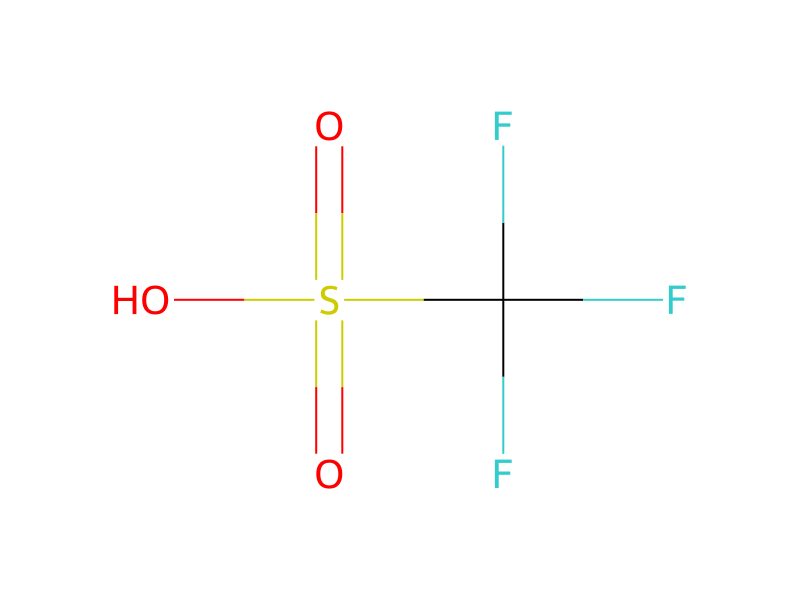
[Br:1][C:2]1[CH:3]=[C:4]2[C:9](=[CH:10][CH:11]=1)[CH:8]=[C:7]([OH:12])[CH:6]=[CH:5]2.[CH3:13][C:14](=[CH2:16])[CH3:15]>ClCCl.OS(C(F)(F)F)(=O)=O>[Br:1][C:2]1[CH:3]=[C:4]2[C:9](=[CH:10][CH:11]=1)[CH:8]=[C:7]([O:12][C:14]([CH3:16])([CH3:15])[CH3:13])[CH:6]=[CH:5]2Participants
5
Reactant 2


Product 1

Reagents, catalysts & solvents 2

Conditions
- Temperature
- -39 °C
Procedure
To a solution of 6-bromo-2-hydroxynaphthalene (1.5 g, 6.72 mmol) and liquefied iso-butylene (6 mL) in dry dichloromethane (6 mL) at −78° C. was added triflic acid (6 drops). The resulting solution was stirred for 4 hours as it warmed from −78 to 0° C. The reaction was quenched by adding excess saturated aqueous sodium bicarbonate and partitioned between ethyl acetate and brine. The organic layer was washed with brine, dried (Na2SO4), filtered, and concentrated under vacuum. Purification on silica gel with 25% ether/hexanes gave the title compound (1.64 g, 80%) as a colorless oil.
Workup
- customThe reaction was quenched
- additionby adding excess saturated aqueous sodium bicarbonate
- custompartitioned between ethyl acetate and brine
- washThe organic layer was washed with brine
- dry with materialdried (Na2SO4)
- filtrationfiltered
- concentrationconcentrated under vacuum
- customPurification on silica gel with 25% ether/hexanes
Sources & evidence
- ORD record
- ord-5e64d0cfbc984d80a4edd7b1d1968a8d
- Source dataset
- uspto-grants-2001_09
- Patent number
- US06284796B1
Reaction notes
Loading…