N-vinyl-2-pyrrolidone → HCID 70233566, compound
Reaction equation

C(N(C)C(=O)C)=C.C(N1CCCC1=O)=C.[OH:16][C:17]1[CH:24]=[CH:23][C:20]([CH:21]=[CH2:22])=[CH:19][CH:18]=1.[C:25]([N:28]([CH:30]([O:32][C:33]1[CH:40]=[CH:39][C:36]([CH:37]=[CH2:38])=[CH:35][CH:34]=1)[CH3:31])[CH3:29])(=[O:27])[CH3:26]>>[OH:16][C:17]1[CH:24]=[CH:23][C:20]([CH:21]=[CH2:22])=[CH:19][CH:18]=1.[C:25]([N:28]([CH:30]([O:32][C:33]1[CH:40]=[CH:39][C:36]([CH:37]=[CH2:38])=[CH:35][CH:34]=1)[CH3:31])[CH3:29])(=[O:27])[CH3:26]Participants
5
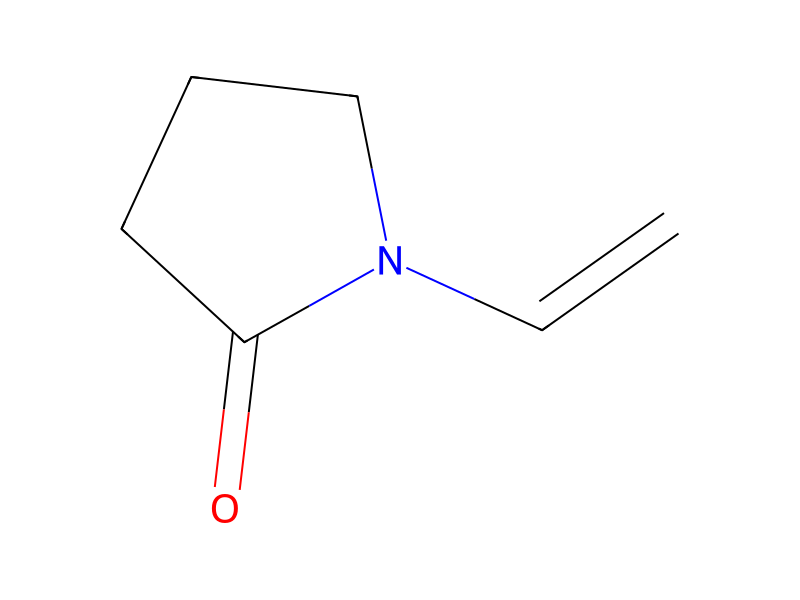

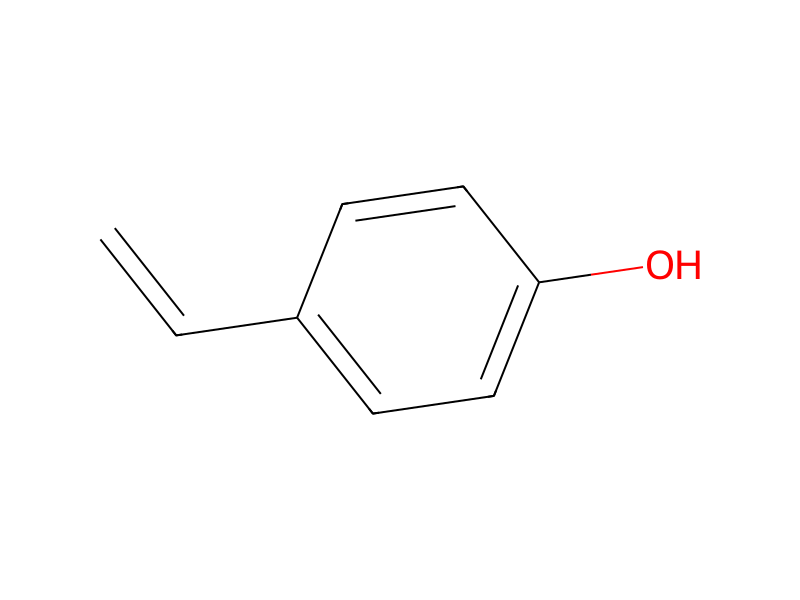


Procedure
The procedure in Example 1 was repeated except that 4.95 parts of N-vinyl-N-methylacetamide were used in place of N-vinyl-2-pyrrolidone to give a resin solution. The solid content of the resin solution measured by weight-loss on heating was 26.34% by weight. A broad peak at 2.7 ppm was confirmed by 1H-NMR [270 MHz, in (dimethylsulfoxide)-d6] and assigned to the N-methyl proton. From the ratio of integrated area for this methyl proton and that for the aromatic protons, it was confirmed that the resin was a copolymer constituted of p-hydroxystyrene unit and p-[1-(N-acetyl-N-methylamino)ethoxy]styrene in a ratio of 94:6. The resin was referred to as Resin R2.
Workup
- customto give a resin solution
- temperatureon heating
Sources & evidence
- ORD record
- ord-4d0d60f0d4354a1195cb0546862d9a1c
- Source dataset
- uspto-grants-2001_09
- Patent number
- US06284863B1
Reaction notes
Loading…