Phosphorus oxide (P4O10) → Quinacridone
Reaction equation

[NH:1]([C:8]1[CH:16]=[C:15]([C:17](O)=[O:18])[C:14]([NH:20][C:21]2[CH:26]=[CH:25][CH:24]=[CH:23][CH:22]=2)=[CH:13][C:9]=1[C:10](O)=[O:11])[C:2]1[CH:7]=[CH:6][CH:5]=[CH:4][CH:3]=1.O=P12OP3(OP(OP(O3)(O1)=O)(=O)O2)=O>>[CH:24]1[CH:25]=[C:26]2[C:17]([C:15]3[C:14]([NH:20][C:21]2=[CH:22][CH:23]=1)=[CH:13][C:9]1[C:10]([C:7]2[C:2]([NH:1][C:8]=1[CH:16]=3)=[CH:3][CH:4]=[CH:5][CH:6]=2)=[O:11])=[O:18]Participants
3


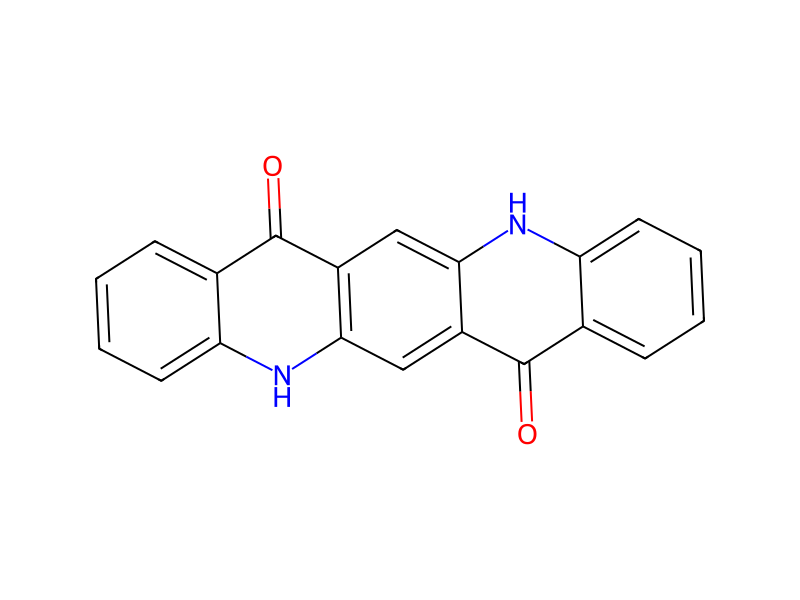
Conditions
- Temperature
- 125 °C
Procedure
Ring closure: 100 g of 2,5-dianilinoterephthalic acid were introduced with stirring at 80°-90° C. into 400 g of polyphosphoric acid, containing 115-119% P2O5, and the mixture was heated at 125° C. for 1 hour, during which time ring closure occurred to form the corresponding quinacridone.
Sources & evidence
- ORD record
- ord-a484b2fa121e4b13b9e459296ad075ad
- Source dataset
- uspto-grants-2001_09
- Patent number
- US06284890B1
Reaction notes
Loading…