Sodium Hydroxide → HCID 21701683, compound
Reaction equation

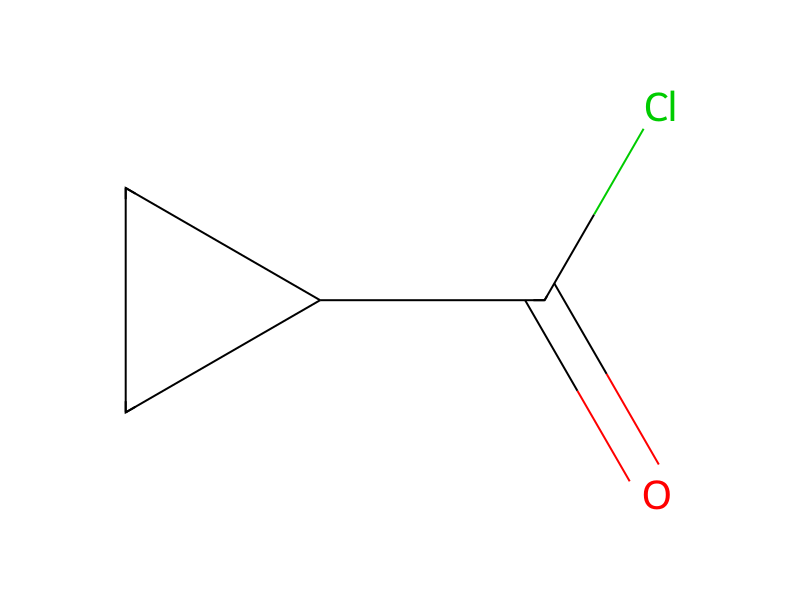
Br.[N:2]1([NH:8][C:9](=[O:17])[C:10]2[CH:15]=[CH:14][C:13]([F:16])=[CH:12][CH:11]=2)[CH2:7][CH2:6][NH:5][CH2:4][CH2:3]1.[OH-].[Na+].[CH:20]1([C:23](Cl)=[O:24])[CH2:22][CH2:21]1>O1CCOCC1>[CH:20]1([C:23]([N:5]2[CH2:4][CH2:3][N:2]([NH:8][C:9](=[O:17])[C:10]3[CH:15]=[CH:14][C:13]([F:16])=[CH:12][CH:11]=3)[CH2:7][CH2:6]2)=[O:24])[CH2:22][CH2:21]1Participants
5
Reactant 3


Product 1

Reagents, catalysts & solvents 1

Procedure
To a solution of N-piperazinyl-p-fluorobenzamide hydrobromide (500 mg) in 1N aqueous solution of sodium hydroxide (5 ml) and dioxane (5 ml) was added cyclopropanecarbonyl chloride (0.3 ml) at ambient temperature, and the solution was stirred at (he same temperature for 2 hours. After removal of the solvent in vacuo, the residue was dissolved into ethyl acetate and washed with brine (×2). The organic layer was separated, dried over magnesium sulfate, and concentrated. The residue was recrystallized from 20% ethanol-water to give N-(4-cyclopropanecarbonyl-1-piperazinyl)-p-fluorobenzamide (0.20 g).
Workup
- customAfter removal of the solvent in vacuo
- dissolutionthe residue was dissolved into ethyl acetate
- washwashed with brine (×2)
- customThe organic layer was separated
- dry with materialdried over magnesium sulfate
- concentrationconcentrated
- customThe residue was recrystallized from 20% ethanol-water
Sources & evidence
- ORD record
- ord-94f5c79b3de442db9cb8a35918589e99
- Source dataset
- uspto-grants-2001_09
- Patent number
- US06291464B1
Reaction notes
Loading…