Triethylamine → HCID 21701670, compound
Reaction equation

Cl.Cl.[C:3]([N:6]1[CH2:11][CH2:10][N:9]([NH2:12])[CH2:8][CH2:7]1)(=[O:5])[CH3:4].C(N(CC)CC)C.Cl[C:21]([O:23][C:24]1[CH:29]=[CH:28][CH:27]=[CH:26][CH:25]=1)=[O:22]>ClCCl>[C:3]([N:6]1[CH2:11][CH2:10][N:9]([NH:12][C:21](=[O:22])[O:23][C:24]2[CH:29]=[CH:28][CH:27]=[CH:26][CH:25]=2)[CH2:8][CH2:7]1)(=[O:5])[CH3:4]Participants
5
Reactant 3

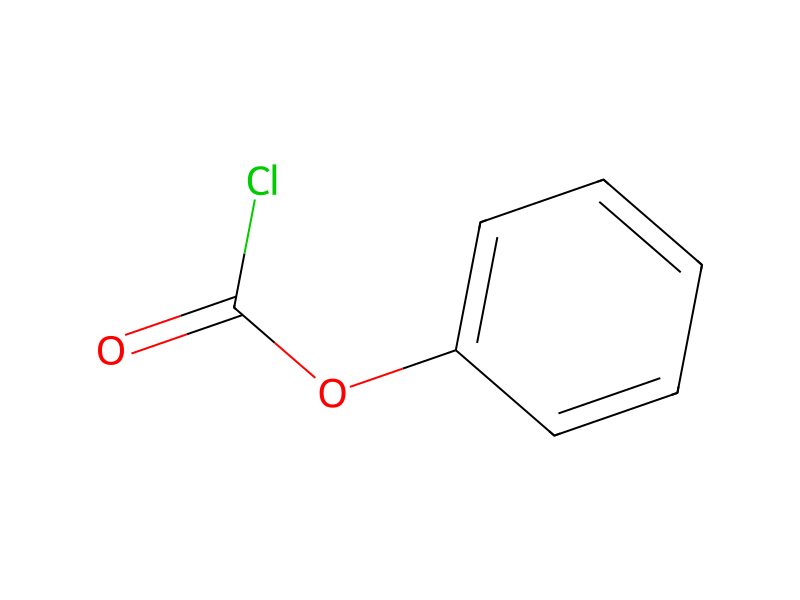

Product 1

Reagents, catalysts & solvents 1

Procedure
To a solution of 1-acetyl-4-aminopiperazine dihydrochloride (300 mg) in dichloromethane (9 ml) was added triethylamine (0.77 ml) and phenyl chloroformate (0.261 ml) at ambient temperature. The mixture was stirred at the same temperature for 1 hour, and washed with water (×2). The organic layer was separated, dried over magnesium sulfate, and concentrated. The residue was crystallized from ethyl acetate and diethyl ether to give phenyl N-(4-acetyl-1-piperazinyl)carbamate (0.29 g).
Workup
- washwashed with water (×2)
- customThe organic layer was separated
- dry with materialdried over magnesium sulfate
- concentrationconcentrated
- customThe residue was crystallized from ethyl acetate and diethyl ether
Sources & evidence
- ORD record
- ord-4ca3773b70cf42968dfe4220ad17cd9a
- Source dataset
- uspto-grants-2001_09
- Patent number
- US06291464B1
Reaction notes
Loading…