1-Propanol → 2-Cyclopentyloxy-benzaldehyde
Reaction equation

[O:1]=[CH:2][C:3]1[CH:11]=[CH:10][C:7](OC)=[C:5](O)[CH:4]=1.C[C:13]([CH3:16])([O-:15])[CH3:14].[K+].[CH2:18](O)[CH2:19]C>>[CH:13]1([O:15][C:4]2[CH:5]=[CH:7][CH:10]=[CH:11][C:3]=2[CH:2]=[O:1])[CH2:16][CH2:19][CH2:18][CH2:14]1Participants
4
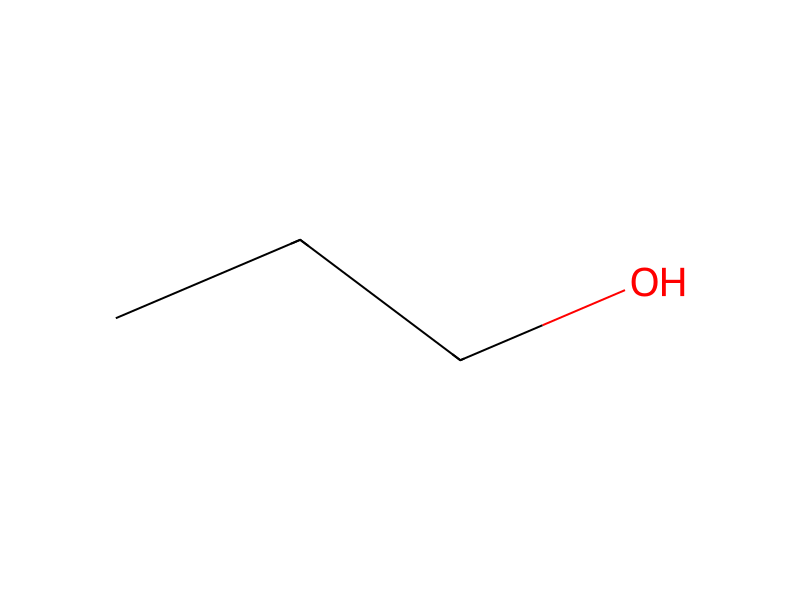



Procedure
77.70 g (500 mmoles) of isovanillin and 69.40 g (600 mmoles) of 97% potassium t-butoxide (t-BuOK) dissolved in 800 ml of 1-propanol, 69.0 ml 630 mmoles), and the solution refluxed. After 3 hours another 9.25 g (80 mmoles) of t-BuOK were added at 80° C. and the suspension refined for another 3 hours. The solid was filtered off and the filtrate evaporated in vacuo to dryness. The residue was dissolved in ether and extracted with 1N NaOH. The ether phase was evaporated to dryness: 85.40 g (77.5%) of cyclopentyloxybenzaldehyde was isolated.
Workup
- temperature69.0 ml 630 mmoles), and the solution refluxed
- filtrationThe solid was filtered off
- customthe filtrate evaporated in vacuo to dryness
- dissolutionThe residue was dissolved in ether
- extractionextracted with 1N NaOH
- customThe ether phase was evaporated to dryness
Sources & evidence
- ORD record
- ord-bec6ffbb5c1c4e3d9cd950fda28d4013
- Source dataset
- uspto-grants-2001_09
- Patent number
- US06294541B1
Reaction notes
Loading…