Triethylamine → ethyl N-(p-fluorobenzyl)-N-(3-chloro-2-hydroxypropyl)carbamate
Reaction equation

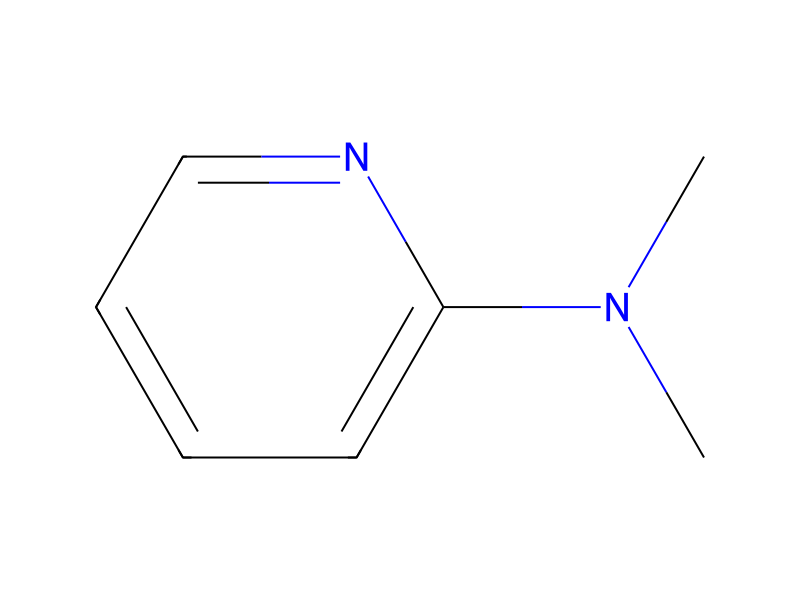
[Cl:1][CH2:2][CH:3]([OH:14])[CH2:4][NH:5][CH2:6][C:7]1[CH:12]=[CH:11][C:10]([F:13])=[CH:9][CH:8]=1.C(N(CC)CC)C.[C:22](Cl)(=[O:26])[O:23][CH2:24][CH3:25]>C(Cl)Cl.C(Cl)(Cl)Cl.CN(C1C=CC=CN=1)C>[F:13][C:10]1[CH:9]=[CH:8][C:7]([CH2:6][N:5]([CH2:4][CH:3]([OH:14])[CH2:2][Cl:1])[C:22](=[O:26])[O:23][CH2:24][CH3:25])=[CH:12][CH:11]=1Participants
Reactant 3



Product 1

Reagents, catalysts & solvents 3


Procedure
To a solution of 3-chloro-1-(p-fluorobenzylamino)-2-propanol (20.78 g, 66.50 mmol) in methylene chloride (150 ml) were added in turn triethylamine (10.2 ml, 73.2 mmol), dimethylaminopyridine (812 mg, 6.65 mmol), ethyl chlorocarbonate (5.7 ml, 73 mmol) under ice-cooling and the mixture was stirred for one hour, allowed to rise to room temperature and then stirred for further 19 hours. The reaction mixture was diluted with chloroform (100 ml), washed successively with 10% aqueous hydrochloric acid (50 ml), saturated aqueous sodium hydrogen carbonate (50 ml) and saturated aqueous sodium chloride (50 ml), dried over anhydrous magnesium sulfate. The solvent was distilled off under reduced pressure to give crude ethyl N-(p-fluorobenzyl)-N-(3-chloro-2-hydroxypropyl)carbamate (24.28 g). This compound was used for the subsequent reaction without purification.
Workup
- temperaturecooling
- customto rise to room temperature
- stirringstirred for further 19 hours
- washwashed successively with 10% aqueous hydrochloric acid (50 ml), saturated aqueous sodium hydrogen carbonate (50 ml) and saturated aqueous sodium chloride (50 ml)
- dry with materialdried over anhydrous magnesium sulfate
- distillationThe solvent was distilled off under reduced pressure
Sources & evidence
- ORD record
- ord-084428c0f03a46009182c8634eebb963
- Source dataset
- uspto-grants-1998_04
- Patent number
- US05736550
Reaction notes
Loading…