Dichloromethane → Methyl N-hydroxy-N-(2-phenoxypyridin-3-yl)carbamate
Reaction equation

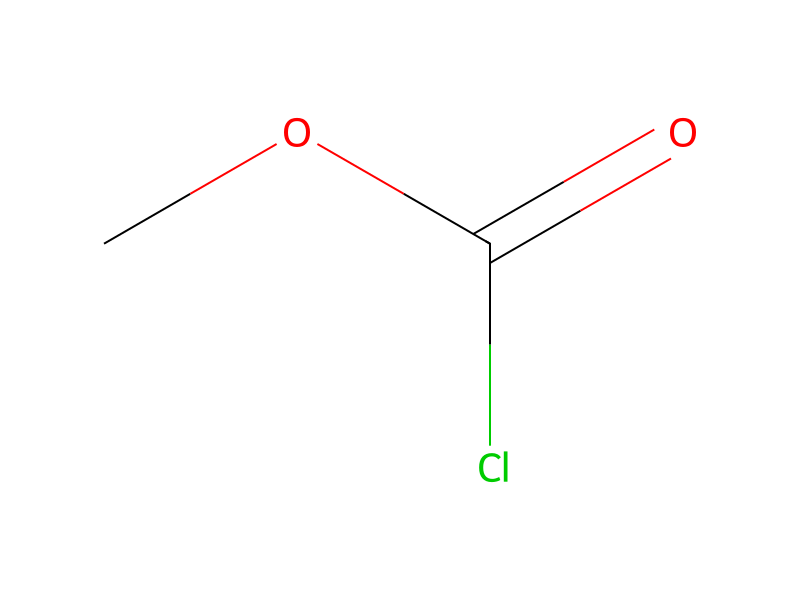
Cl[C:2]([O:4][CH3:5])=[O:3].[O:6]([C:13]1[C:18]([NH:19][OH:20])=[CH:17][CH:16]=[CH:15][N:14]=1)[C:7]1[CH:12]=[CH:11][CH:10]=[CH:9][CH:8]=1.C([O-])(O)=O.[Na+].C(Cl)Cl>O>[OH:20][N:19]([C:18]1[C:13]([O:6][C:7]2[CH:8]=[CH:9][CH:10]=[CH:11][CH:12]=2)=[N:14][CH:15]=[CH:16][CH:17]=1)[C:2](=[O:3])[O:4][CH3:5]Participants





Procedure
3 g (mmol) of methyl chloroformate were added dropwise at 0° C. to a mixture of 7.8 g (39 mmol) of N-(2-phenoxypyridin-3-yl)hydroxylamine (Example 1.b), 4 g (50 mmol) of NaHCO3 (solid) and 10 ml of methylene chloride. After 1 hour at room temperature (approximately 25° C.), the reaction mixture was treated with a further 2 g of methyl chloroformate and stirred for a further 2 hours at room temperature. The reaction mixture was subsequently treated with a further 2 g of methyl chloroformate and left for approximately 12 hours at 5° C. The resulting mixture was treated with water and extracted repeatedly using tert-butyl methyl ether. The organic phases were combined, washed and dried, and the solvent was removed under reduced pressure. The residue obtained was purified by column chromatography (cyclohexane/ethyl acetate). This gave 2.5 g of the title compound as a solid (m.p.: 140° C.
Workup
- waitleft for approximately 12 hours at 5° C
- extractionextracted repeatedly using tert-butyl methyl ether
- washwashed
- customdried
- customthe solvent was removed under reduced pressure
- customThe residue obtained
- customwas purified by column chromatography (cyclohexane/ethyl acetate)
Sources & evidence
- ORD record
- ord-f5576bcf182048989ff14e67bdf94c45
- Source dataset
- uspto-grants-1999_11
- Patent number
- US05977146
Reaction notes
Loading…